Coliseum Global Sports Venue Alliance Summit US Highlights
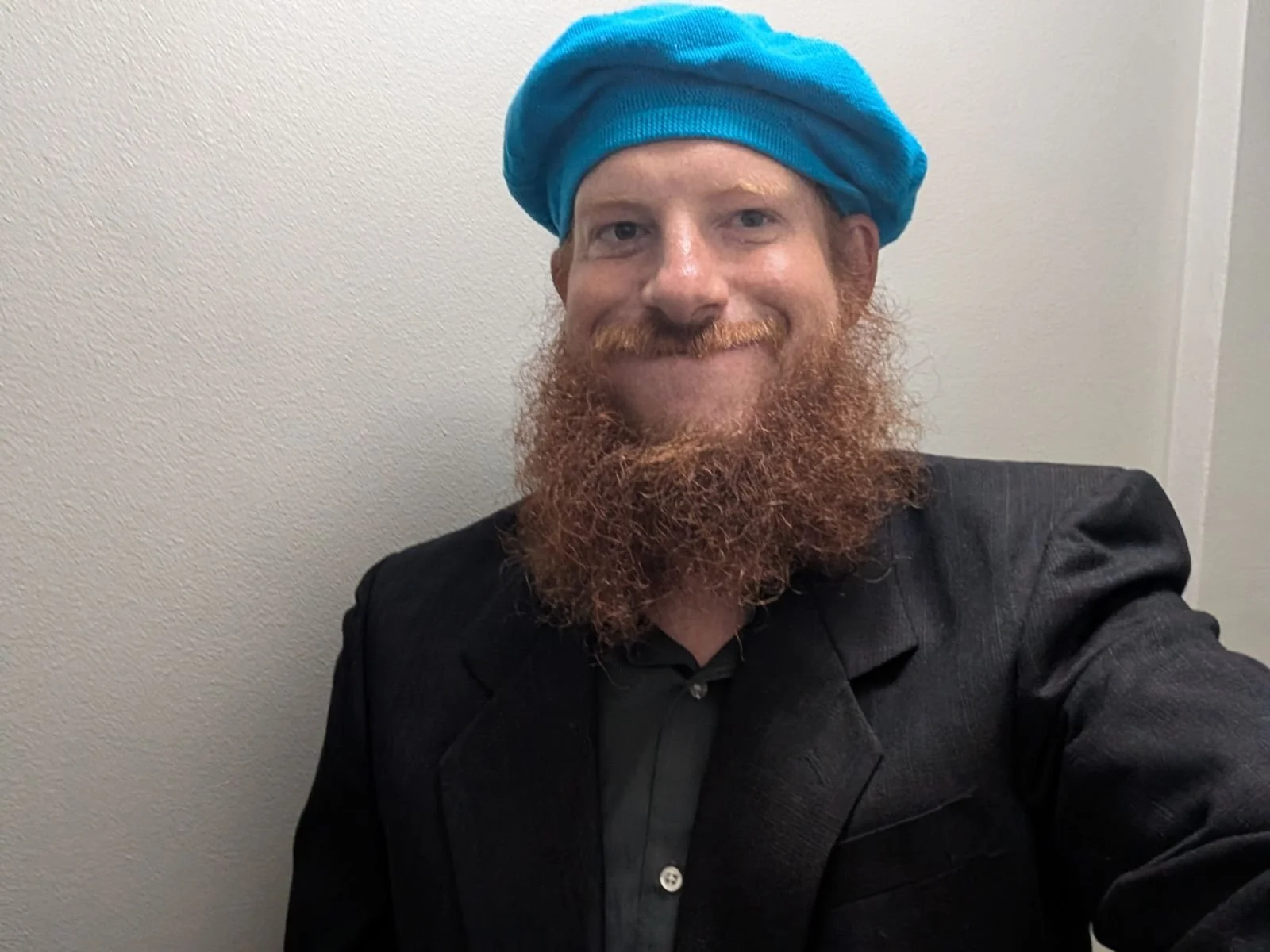
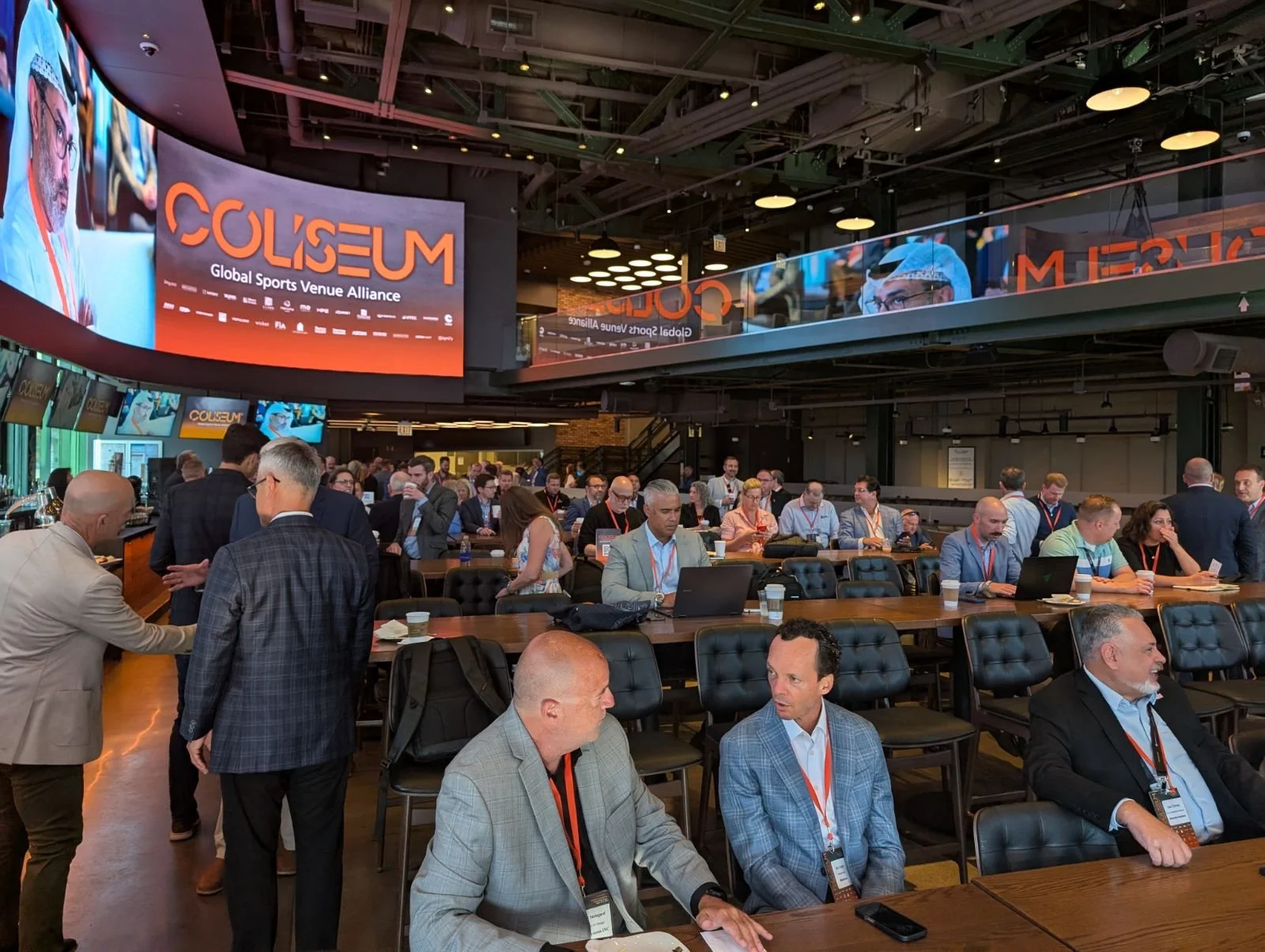
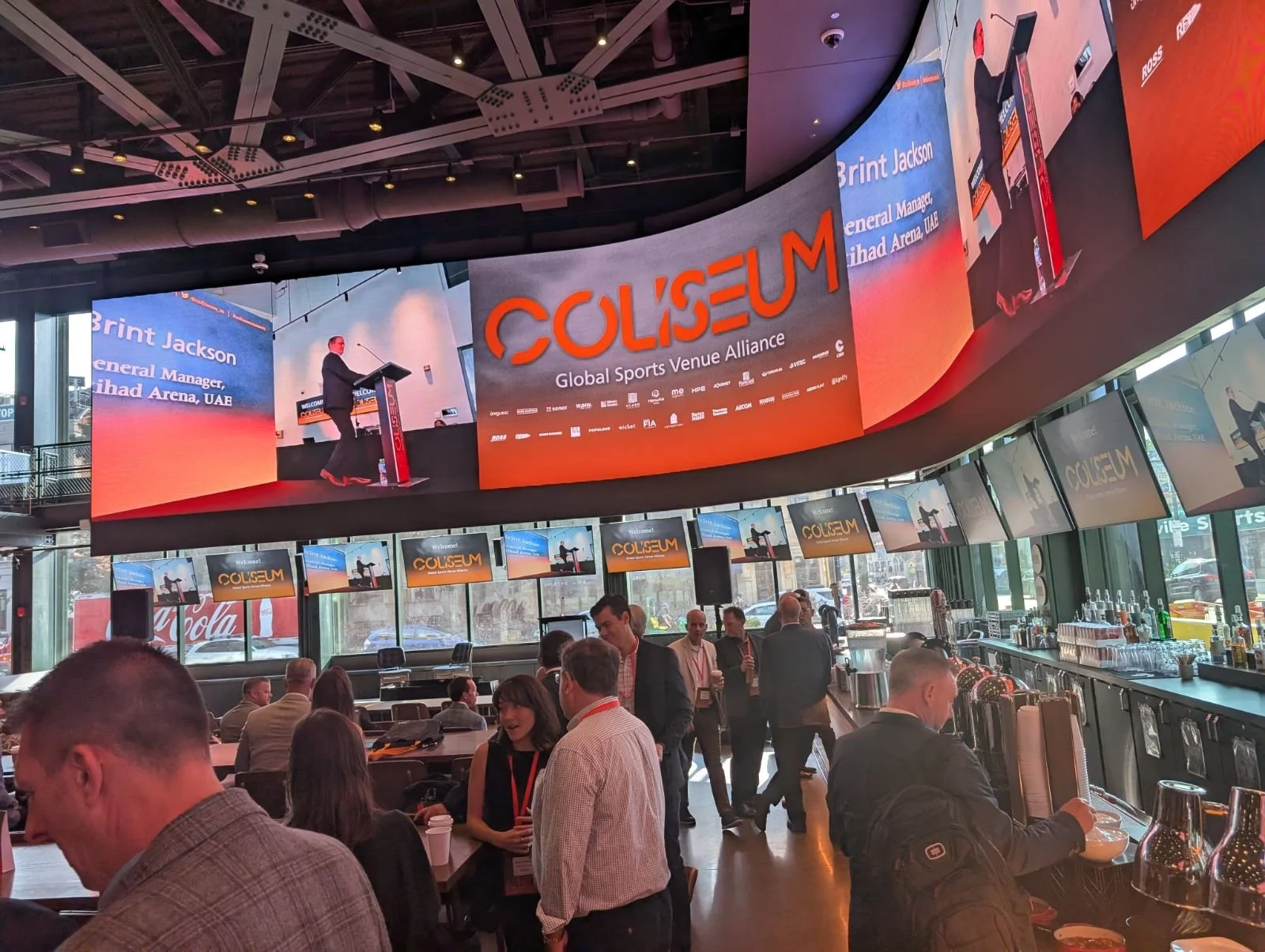
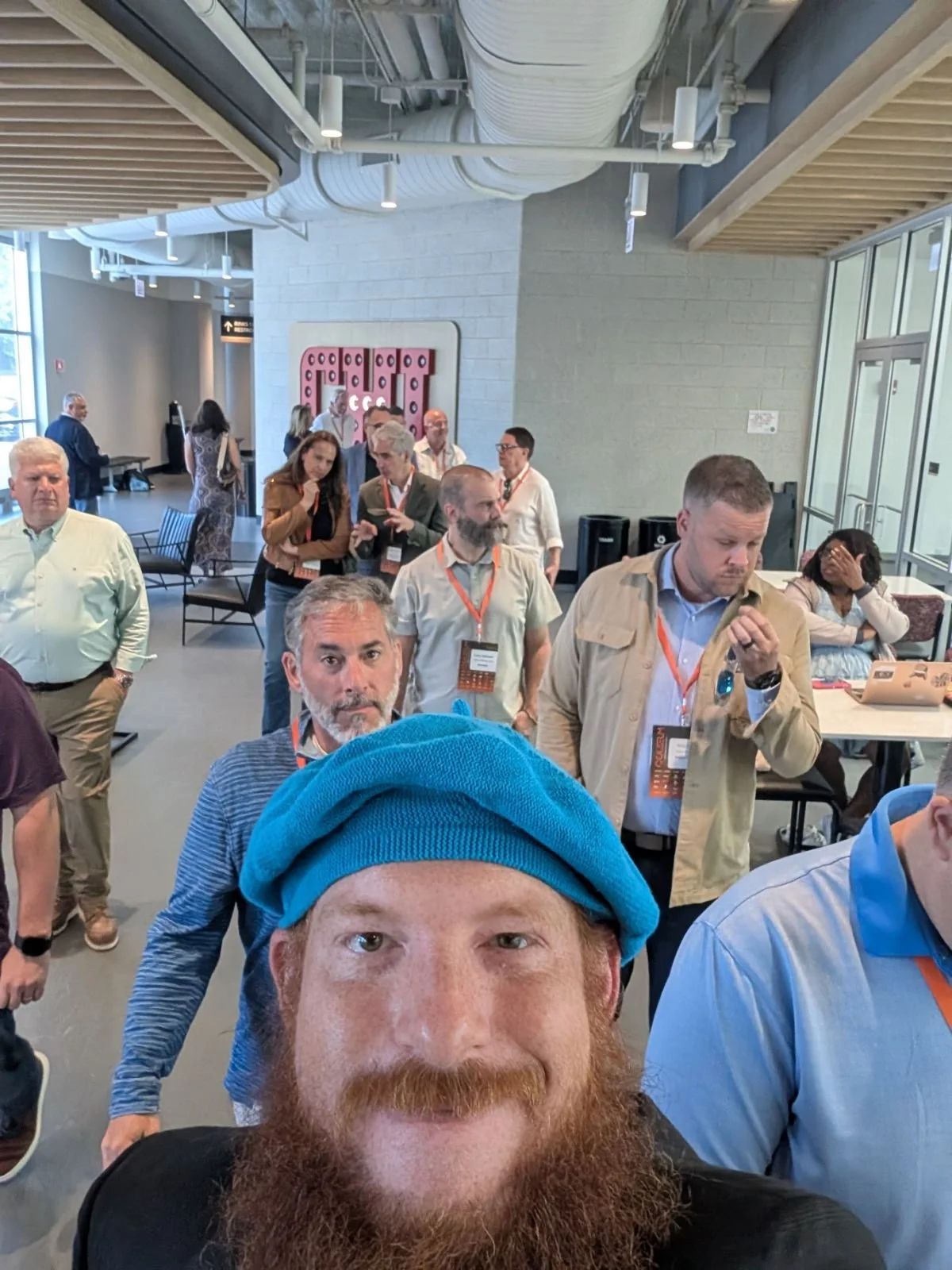
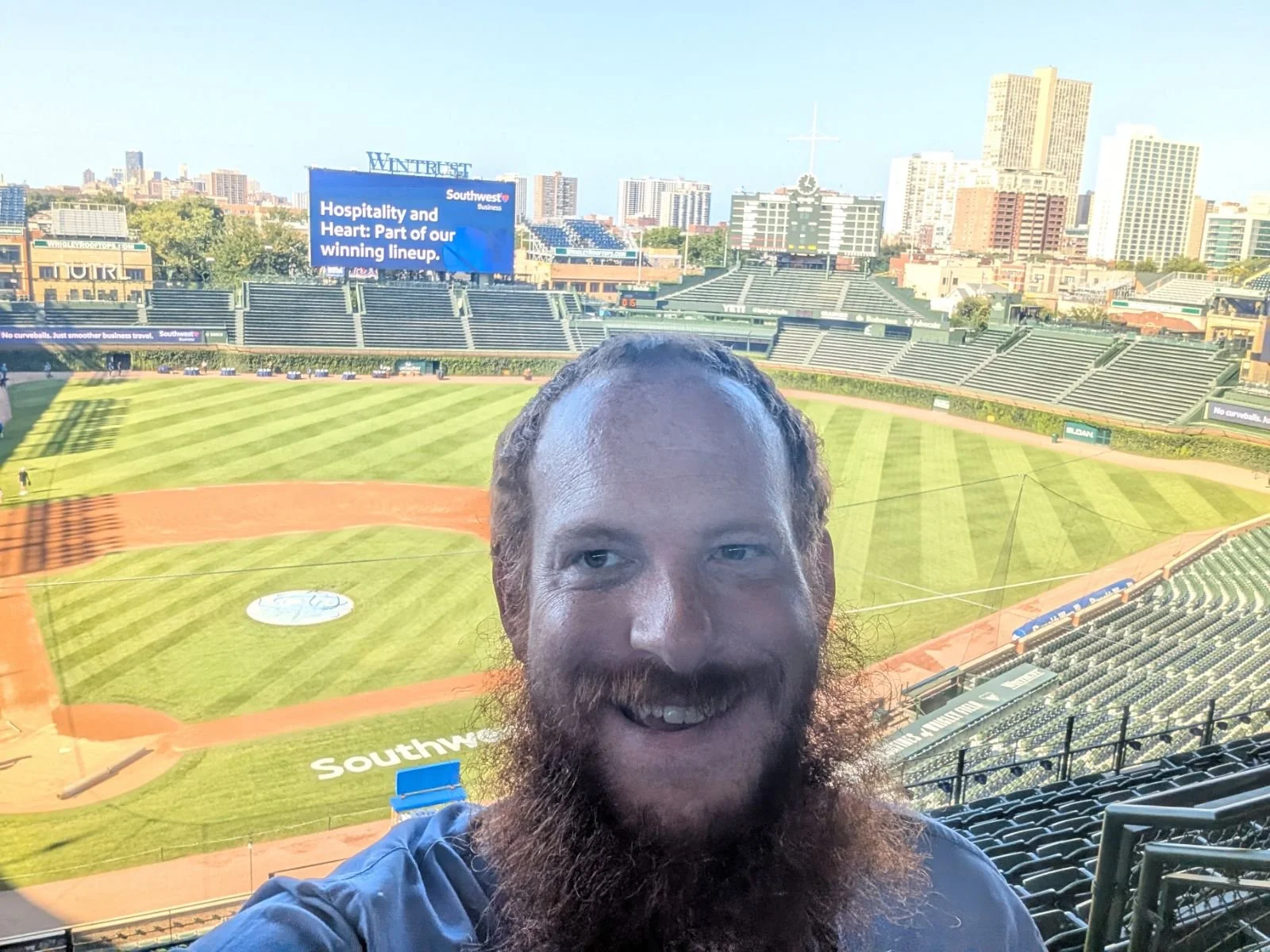
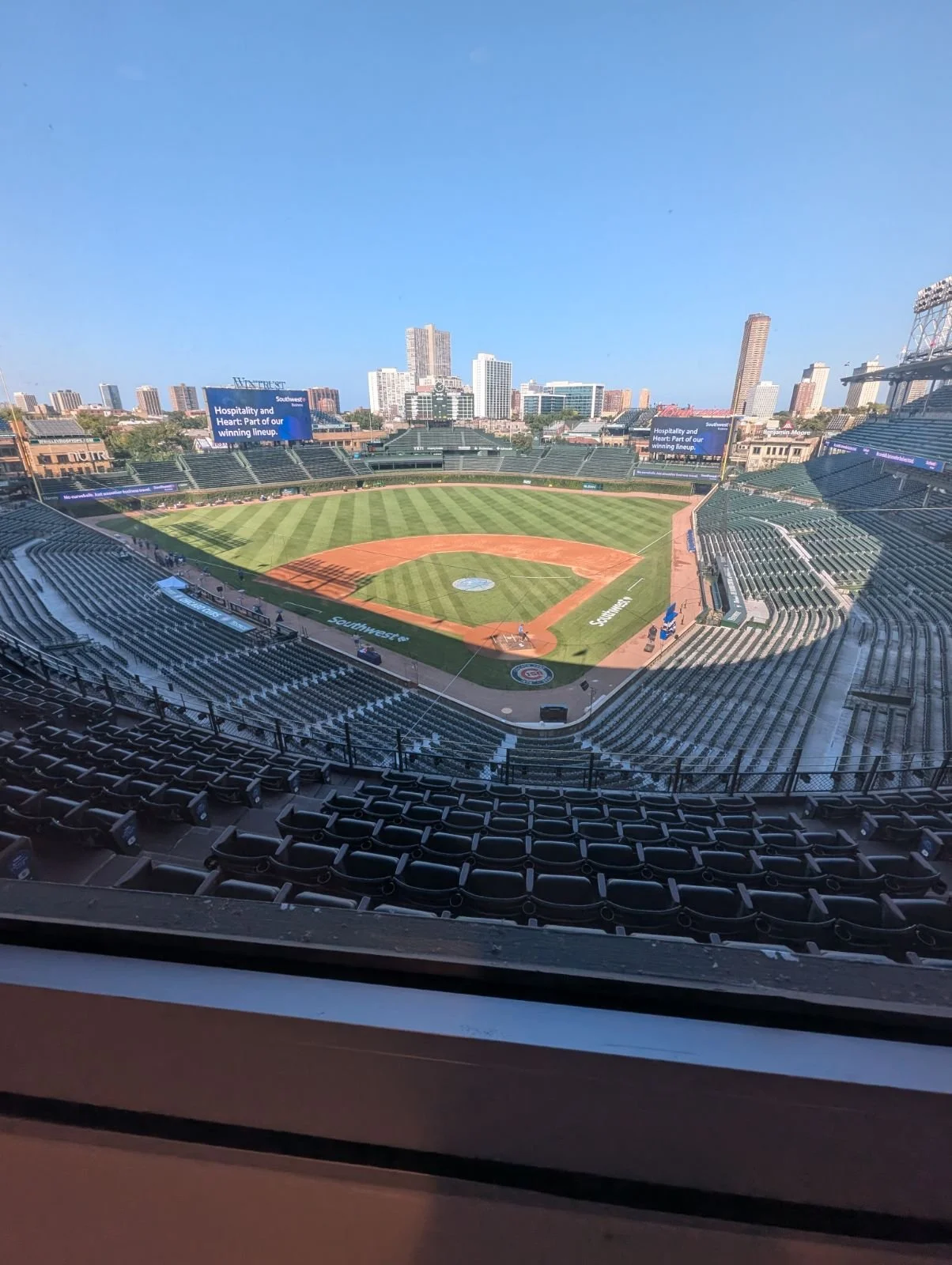
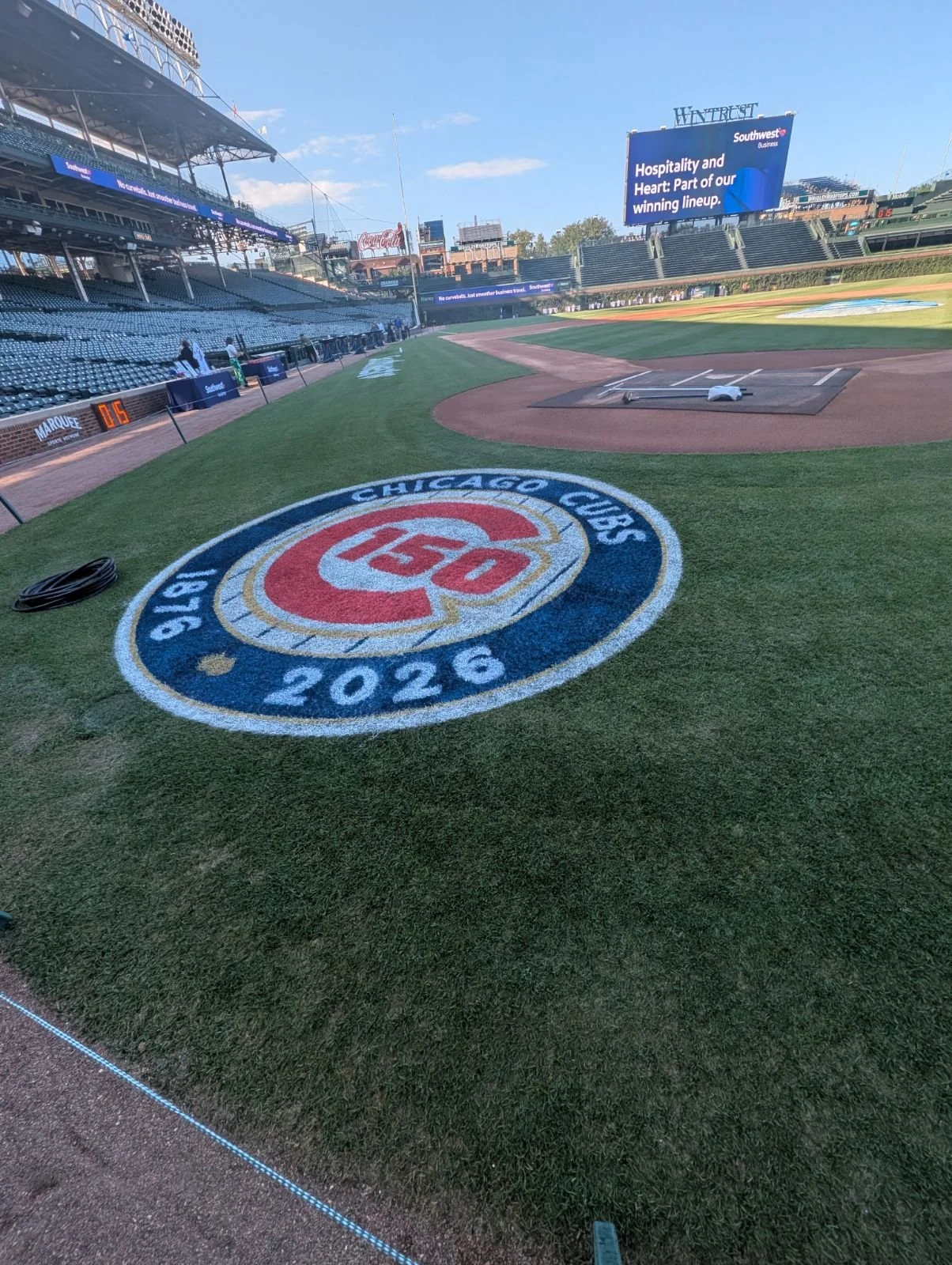
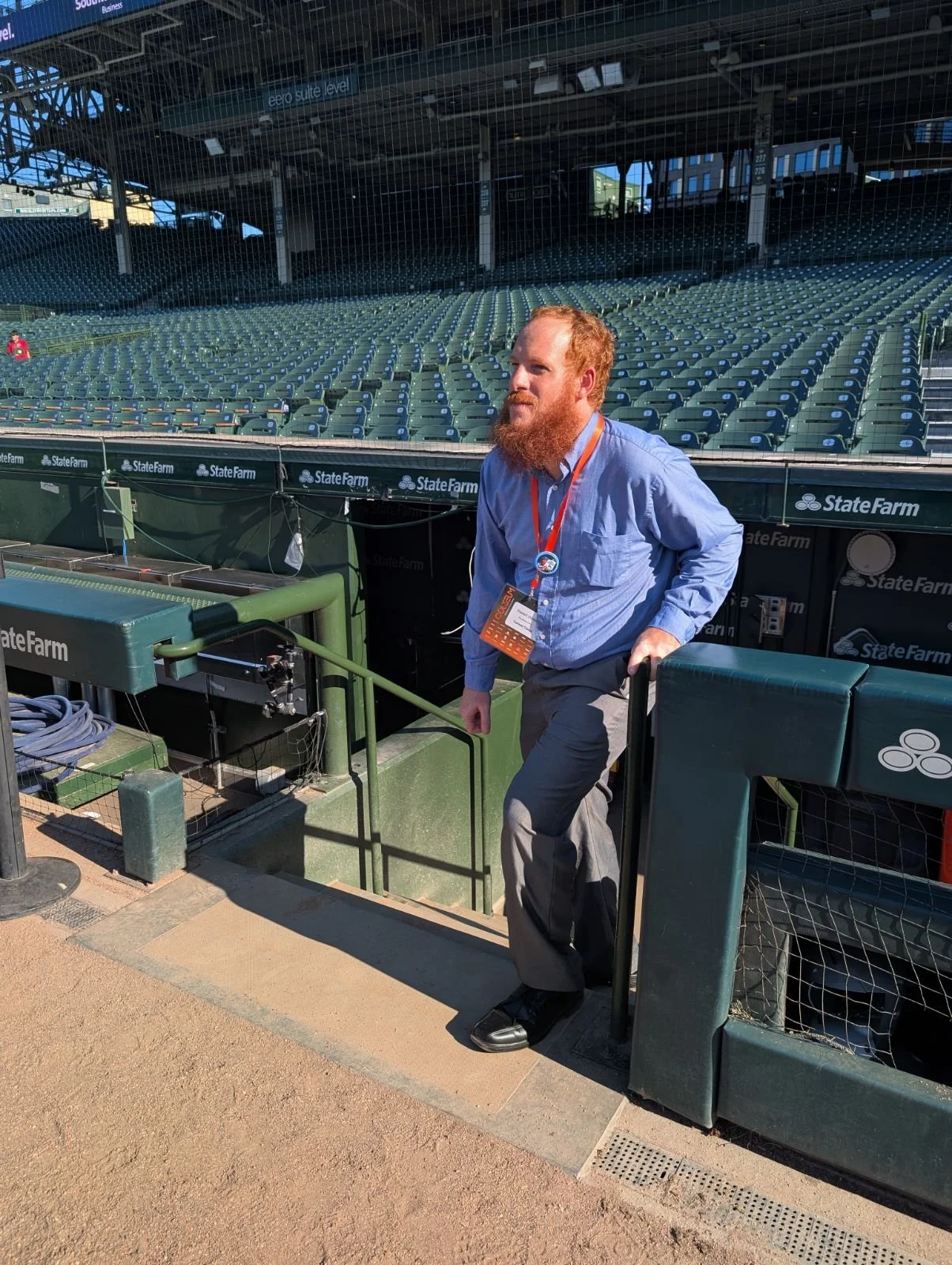
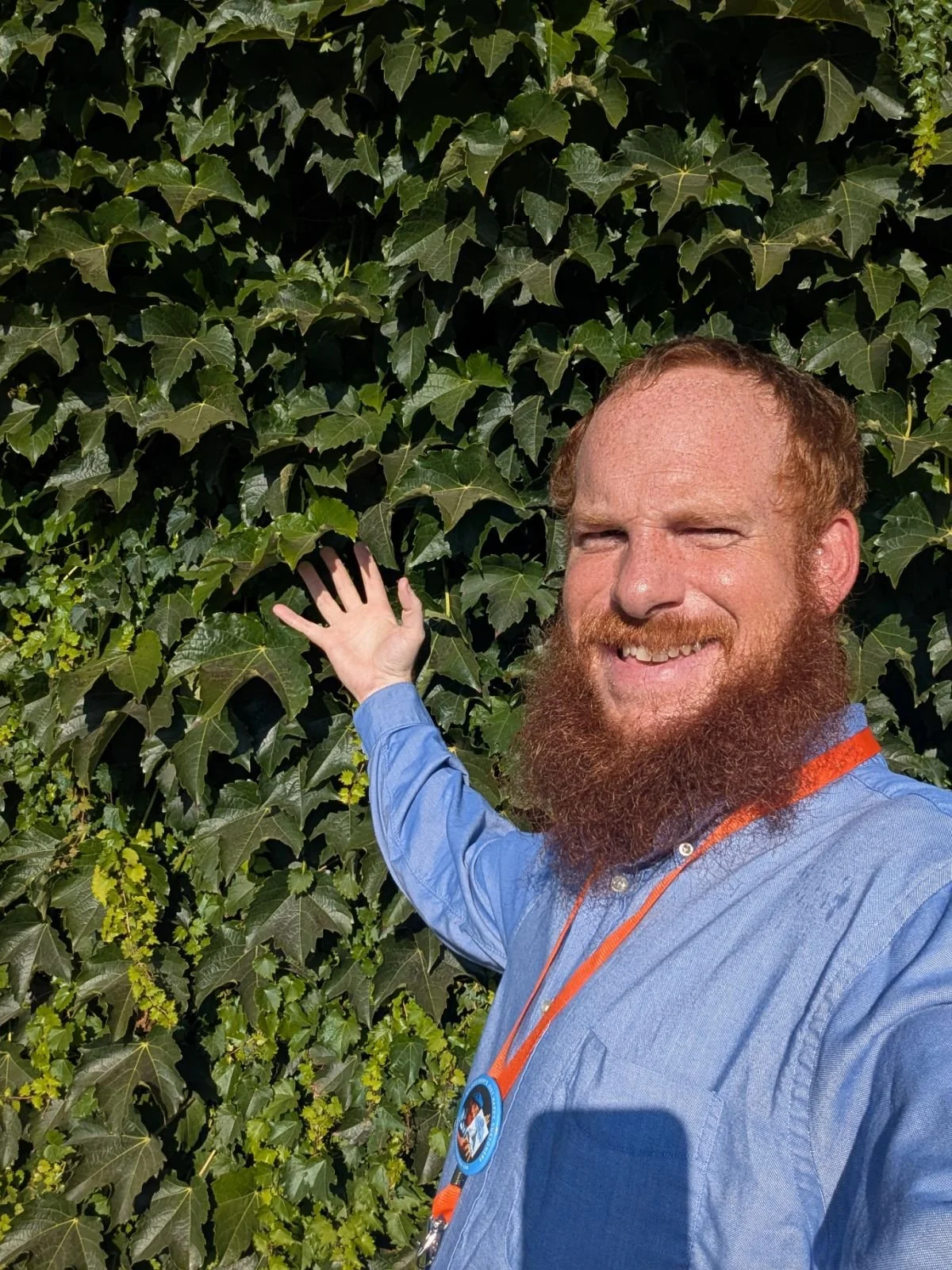
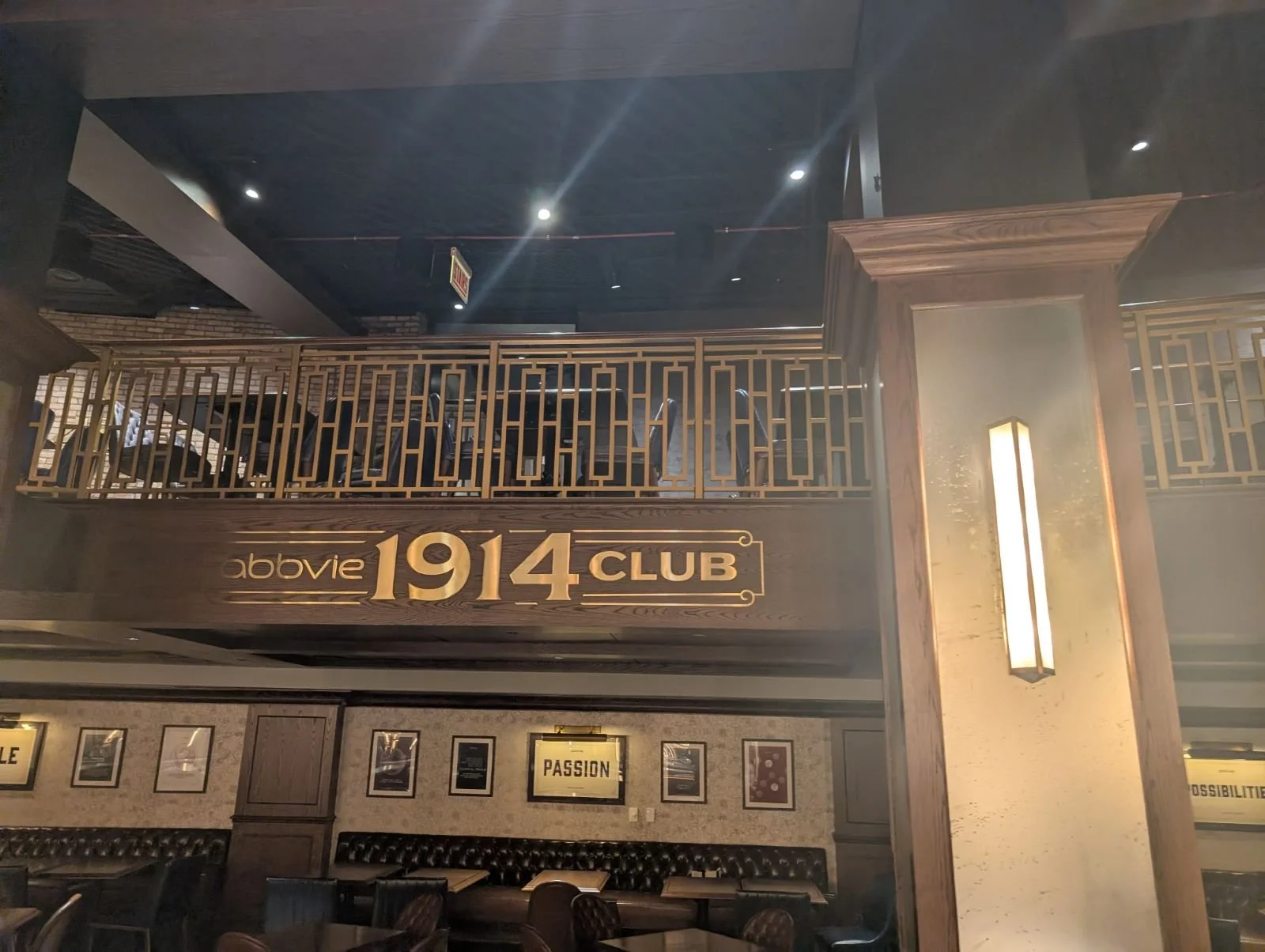
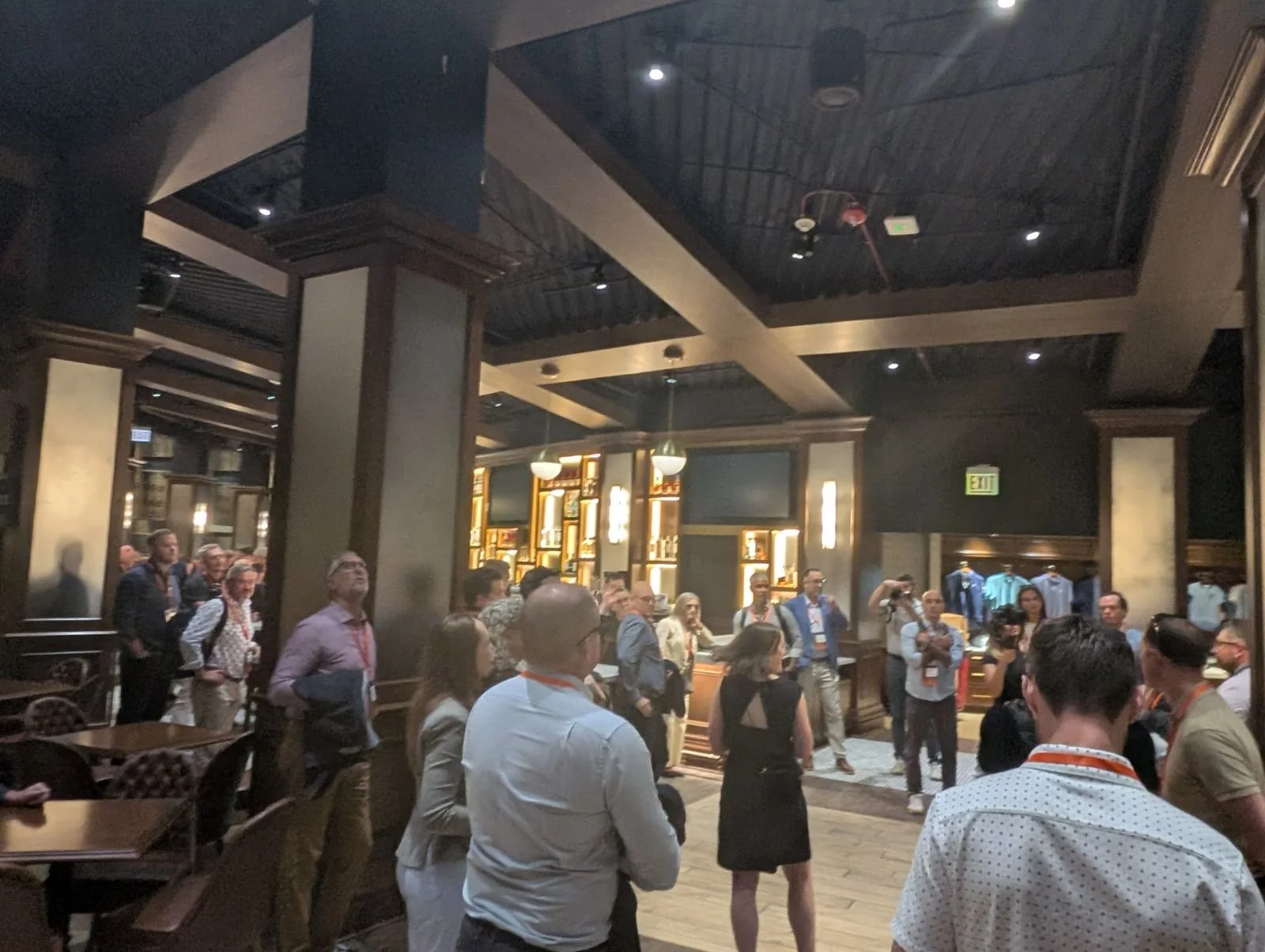
Last week, August 26–27, 2026, I had the opportunity to represent Canvas Cloud at the Coliseum Global Sports Venue Alliance Summit US, hosted at Chicago’s iconic Wrigley Field.
As President and CRO of Canvas Cloud, I was excited to join leaders shaping the future of sports venues and live experiences, and to explore how connected technology and operations can help organizations deliver better fan experiences.
Because the summit follows Chatham House Rules, I won’t attribute comments to individual speakers or attendees. I can, however, share a few personal highlights and broader themes I took away from an energizing few days in Chicago.
And, yes, the blue beret made the trip. It remains a surprisingly effective conversation starter!
Beyond the Sessions
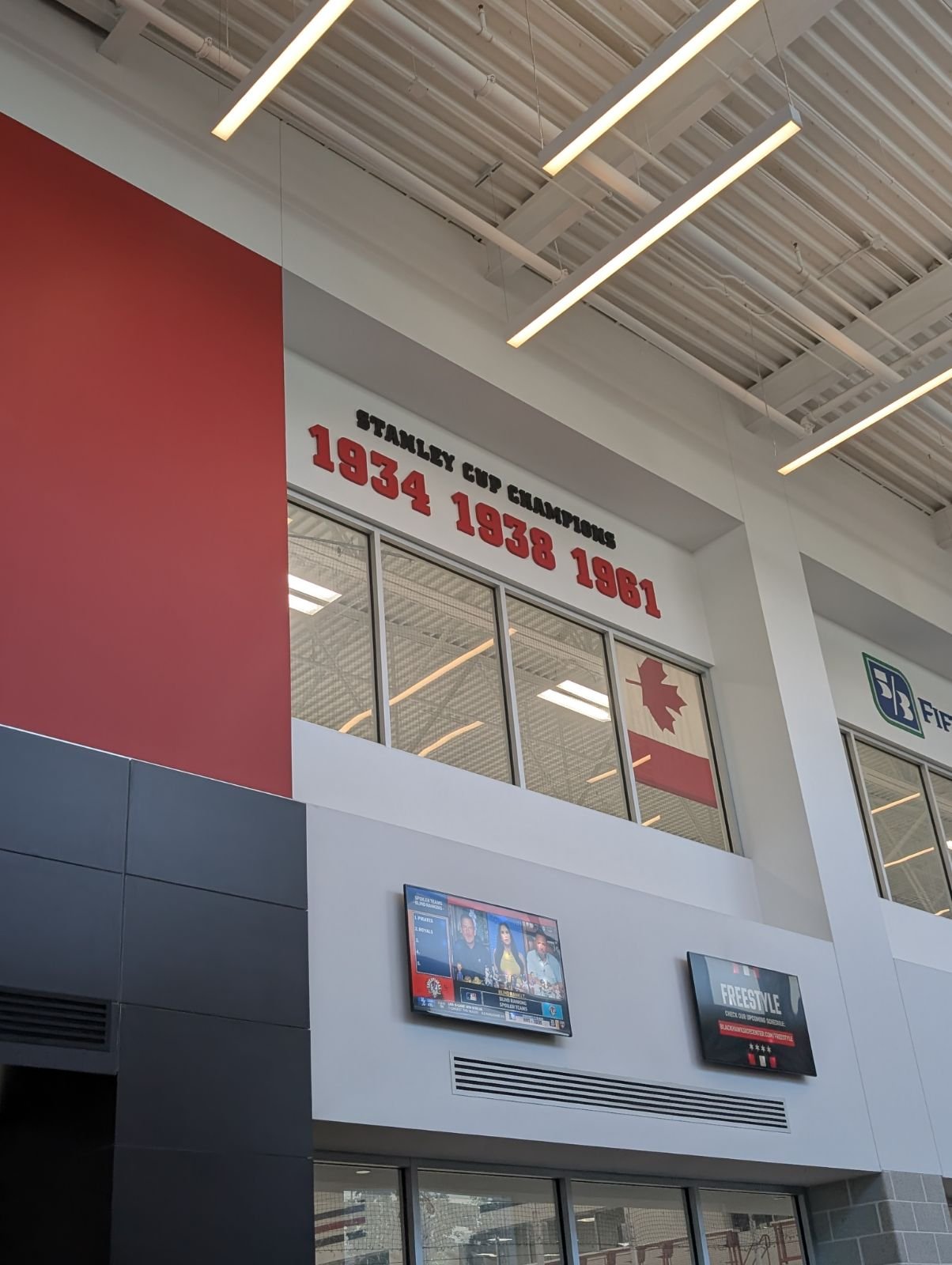
My visit began Tuesday with meetings at Salesforce Tower Chicago. That evening, I joined fellow attendees for a tour of the Chicago Blackhawks’ newly renovated hockey facility.
It was a fun and fitting start to the event. Seeing the transformation firsthand reinforced an important idea: modernizing a sports venue involves much more than renovating the physical space. Organizations must also consider the technology, operations, services, and customer experiences surrounding it.
The summit concluded with another special experience: a private tour of Wrigley Field. Walking through one of the most recognizable venues in professional sports was an unforgettable way to close out the event.
Learning the Language of the Industry
I also picked up an important piece of sports-venue vocabulary. When industry professionals refer to more than one stadium, they often say “stadia.”
The terminology was new to me, but the scale of activity across those stadia was even more striking. The summit explored construction and renovation schedules for major venues, along with the ways organizations are reimagining these spaces for fans, teams, performers, partners, and their surrounding communities.
The terminology was new to me, but the scale of the U.S. venue landscape was even more striking. In writing this article, I did some additional research and found out that the U.S. is home to 142 teams across the NFL, MLB, NBA, NHL, and Major League Soccer alone, and that figure doesn’t include the thousands of collegiate, minor-league, high-school, and independent venues operating nationwide. Each stadium or arena is effectively its own complex business, bringing together ticketing, premium hospitality, partnerships, concessions, events, facilities, security, technology, and community engagement.
The summit explored construction and renovation schedules for major venues, along with the ways organizations are reimagining these spaces for fans, teams, performers, partners, and their surrounding communities. With such a large and varied venue ecosystem, the challenge is not simply building or renovating stadia. It’s creating operating models that can support different teams, markets, event types, and customer relationships at scale.
The physical projects are impressive, but new buildings and technology are only part of the equation.
Venue Modernization Is an Operating-model Challenge
As venues introduce new experiences, premium offerings, event formats, technologies, and revenue streams, their operations become increasingly complex.
A single person may be a fan, premium member, donor, partner contact, or event customer. Different teams may own separate parts of that relationship, often using different systems and processes.
That raises some important questions:
Can teams work from a shared view of fans and other important stakeholders?
Does information move effectively among commercial, service, technology, and operations teams?
Which processes should be standardized across venues?
Where is local flexibility still necessary?
Can leadership compare performance across events, locations, and business units?
Who is responsible for cross-functional technology governance?
The conversations at Coliseum Summit strengthened my belief in the importance of a connected venue operating model.
Canvas Cloud helps sports organizations get more from Salesforce by connecting fan relationships, premium sales, partnerships, service, and multivenue operations through a shared platform and governance model. The goal isn’t to make every department or venue operate identically. It’s to create shared standards and visibility while preserving the flexibility each team needs, all in service of stronger operations and better fan experiences.
Lessons from Our Work with Delaware North
Canvas Cloud brings meaningful experience to the sports and venue industry from our recently completed Salesforce project with Delaware North.
Delaware North is a global hospitality and entertainment organization with operations spanning sports venues, airports, gaming, lodging, and other properties. During the engagement, Canvas Cloud helped the organization establish a scalable Salesforce Center of Excellence using Sales Cloud and Tableau, bringing fragmented operational systems into a more unified environment.
The resulting model supports standardized reporting, business-unit segmentation, governance, and executive visibility while accommodating properties with very different workflows and event models.
It also provides visibility into more than $27 million in annual nonprofit fundraising payouts associated with Delaware North’s Nonprofit Organization Fundraising Program. Through this program, nonprofit groups operate concession stands at sporting events in exchange for donations or revenue-sharing support.
For me, the completed project is an excellent example of what connected operations can accomplish. Its impact extends beyond efficiency to include better visibility, more informed decision-making, and measurable community benefit.
Relationships Remain at the Center
The best part of Coliseum Summit was connecting with people shaping the future of sports venues and live experiences. Those conversations reminded me that successful venue transformation isn’t driven by technology alone. It depends on strong relationships, shared goals, thoughtful governance, and an operating model that connects the organization behind the venue.
I’m returning from Chicago with new ideas, new industry vocabulary, and a deeper appreciation for the opportunities and challenges facing venue leaders.
My central takeaway is simple: Modern venues need modern operating models.
Thank you to the Coliseum Global Sports Venue Alliance, my fellow attendees, and everyone who made the experience so valuable. From Salesforce Tower and the Chicago Blackhawks’ renovated facility to the unforgettable setting of Wrigley Field, it was a fantastic few days in Chicago.
If we met at the summit, I look forward to continuing our conversation. If your organization is modernizing a venue, connecting operations across multiple locations, or looking to get more from Salesforce, I’d be glad to compare notes.
About the Author
Daniel Dibble is President and CRO of Canvas Cloud, a Salesforce Consulting Partner. Connect with Daniel on LinkedIn. If you’d like to meet with Daniel to discuss your organization’s Salesforce strategy, fill out our Contact Us form.