Key Takeaways from Dreamforce 2026


Dreamforce 2026: Core Insights and Lessons
By Daniel Dibble, President & CRO, and Benjamin Dolar, CEO, Canvas Cloud
At Dreamforce, there’s always something new to see. This year, we kept asking ourselves: What would clients actually use?
That question followed us through conversations with partners like FinDock, SMB sessions, and gatherings with the nonprofit community. Salesforce introduced a new way to work, a CRM-focused reasoning model, and AI agents with specific jobs. We came away thinking about where those capabilities could fit into everyday work and how our team of Salesforce consultants can help make them even more useful.
But first… the Blue Beret Giveaway!
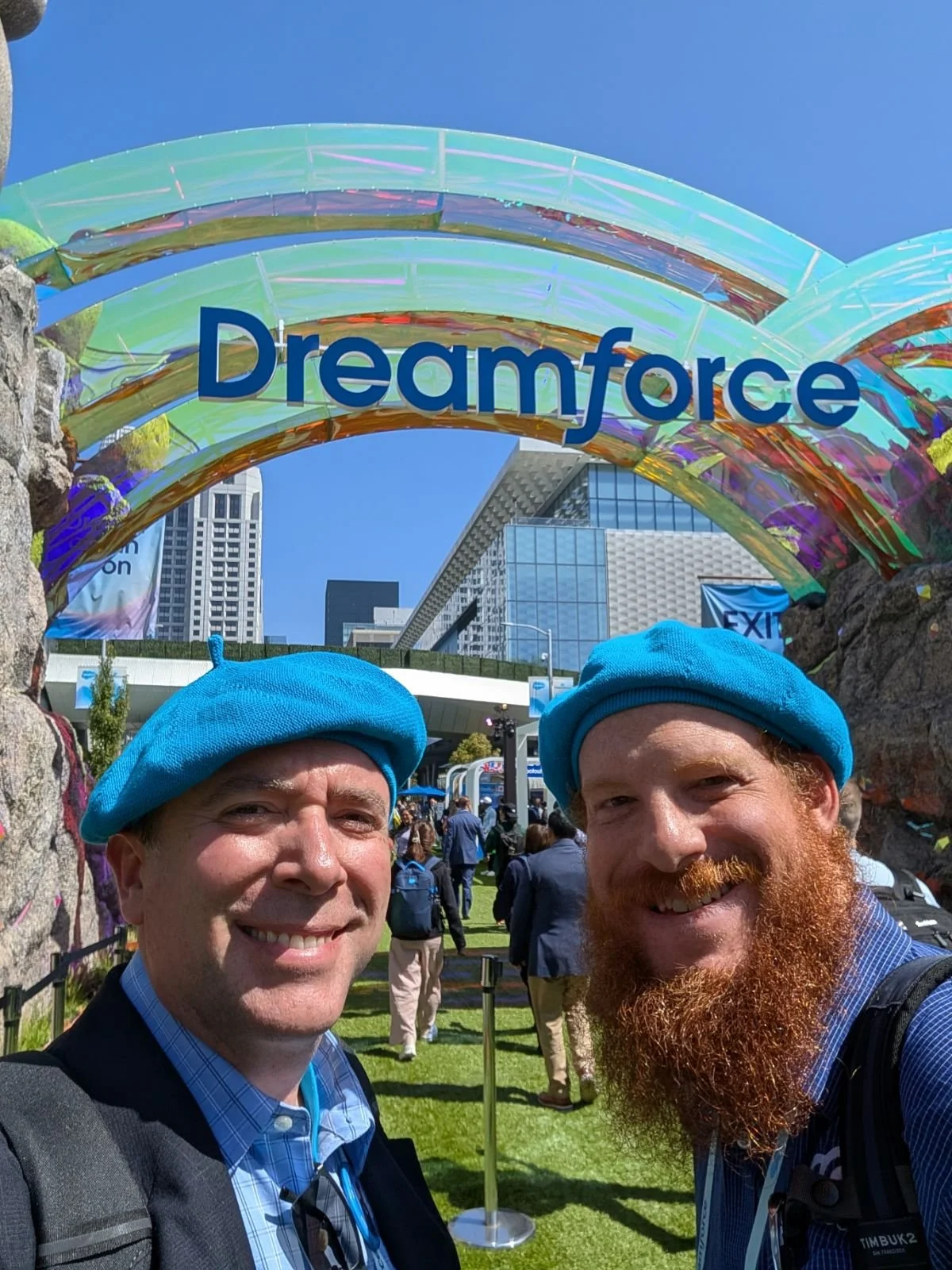
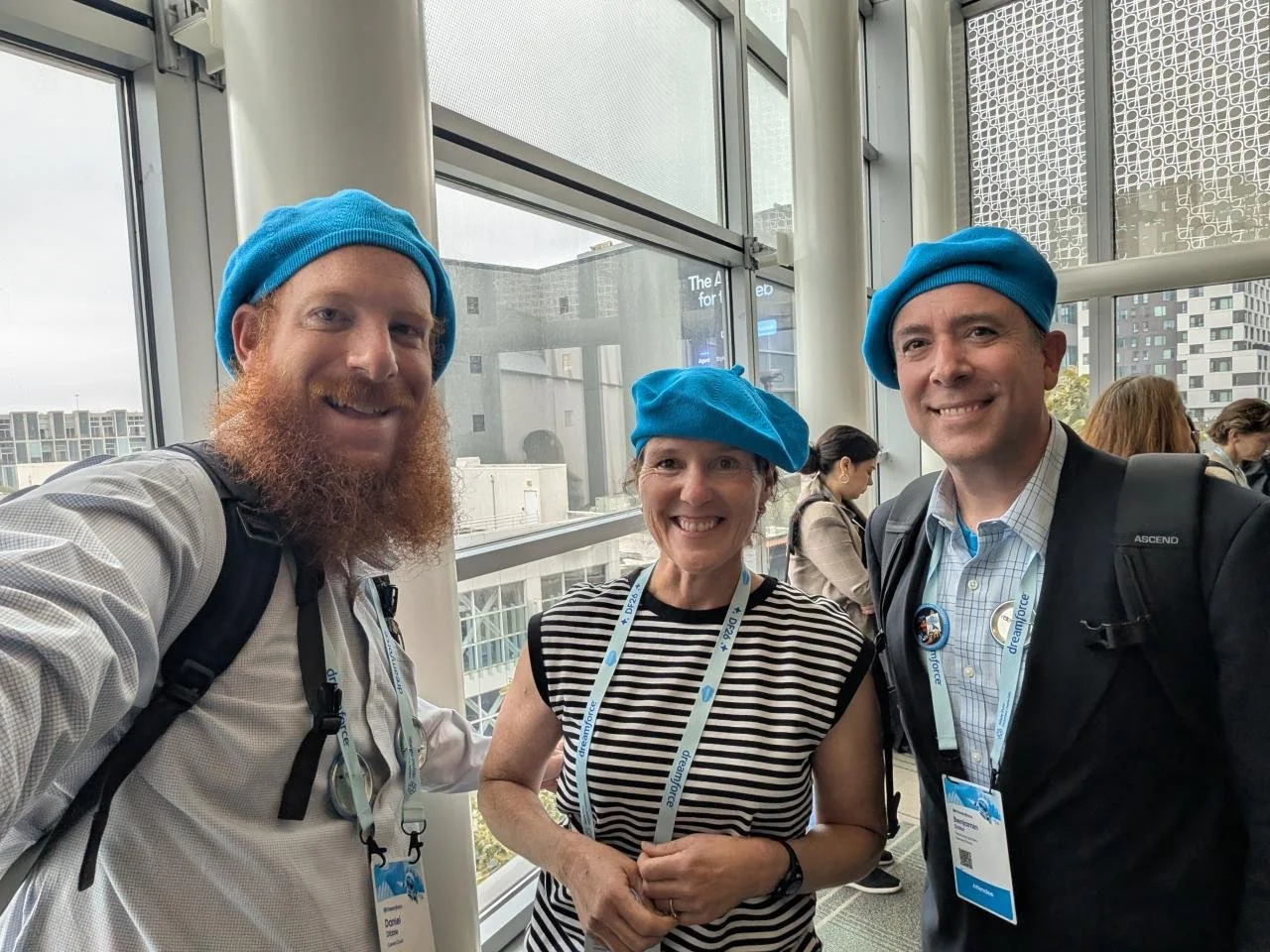
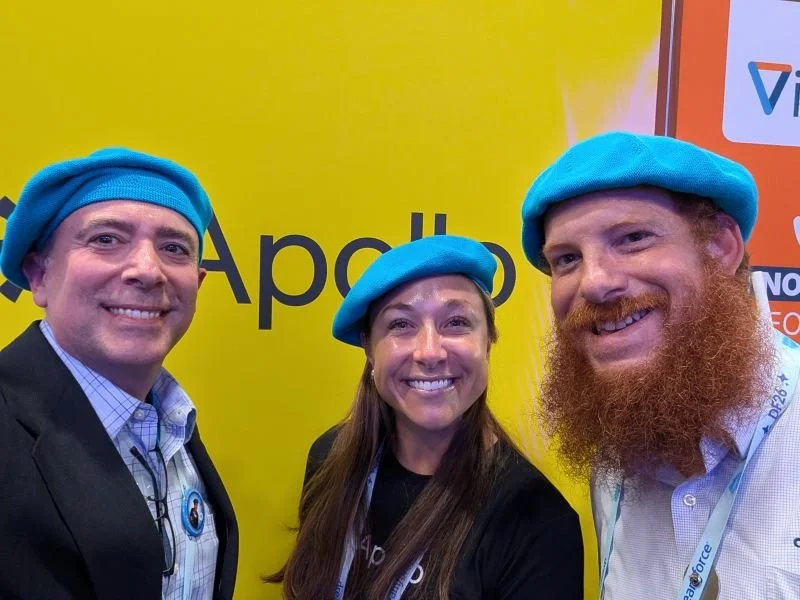
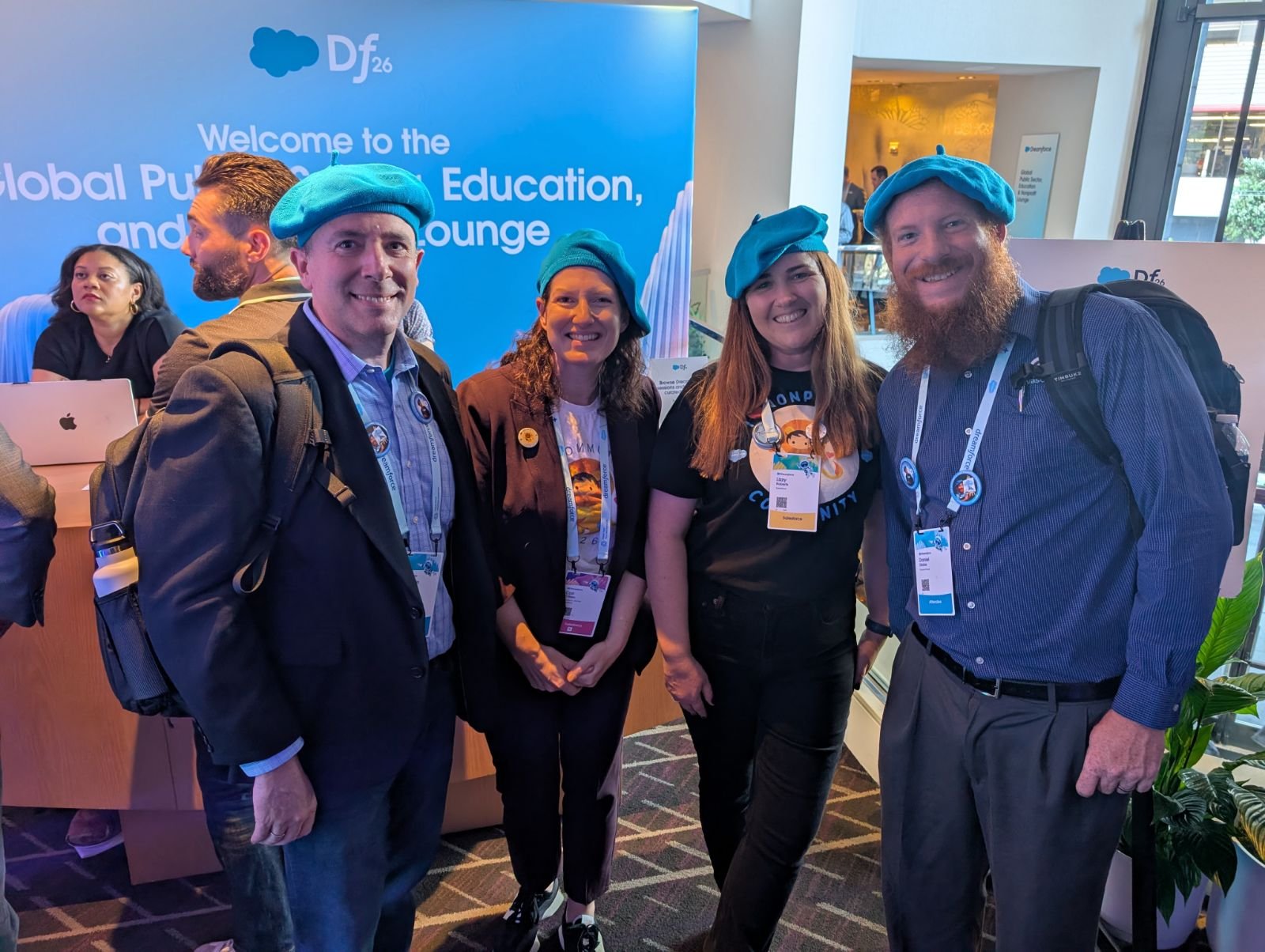
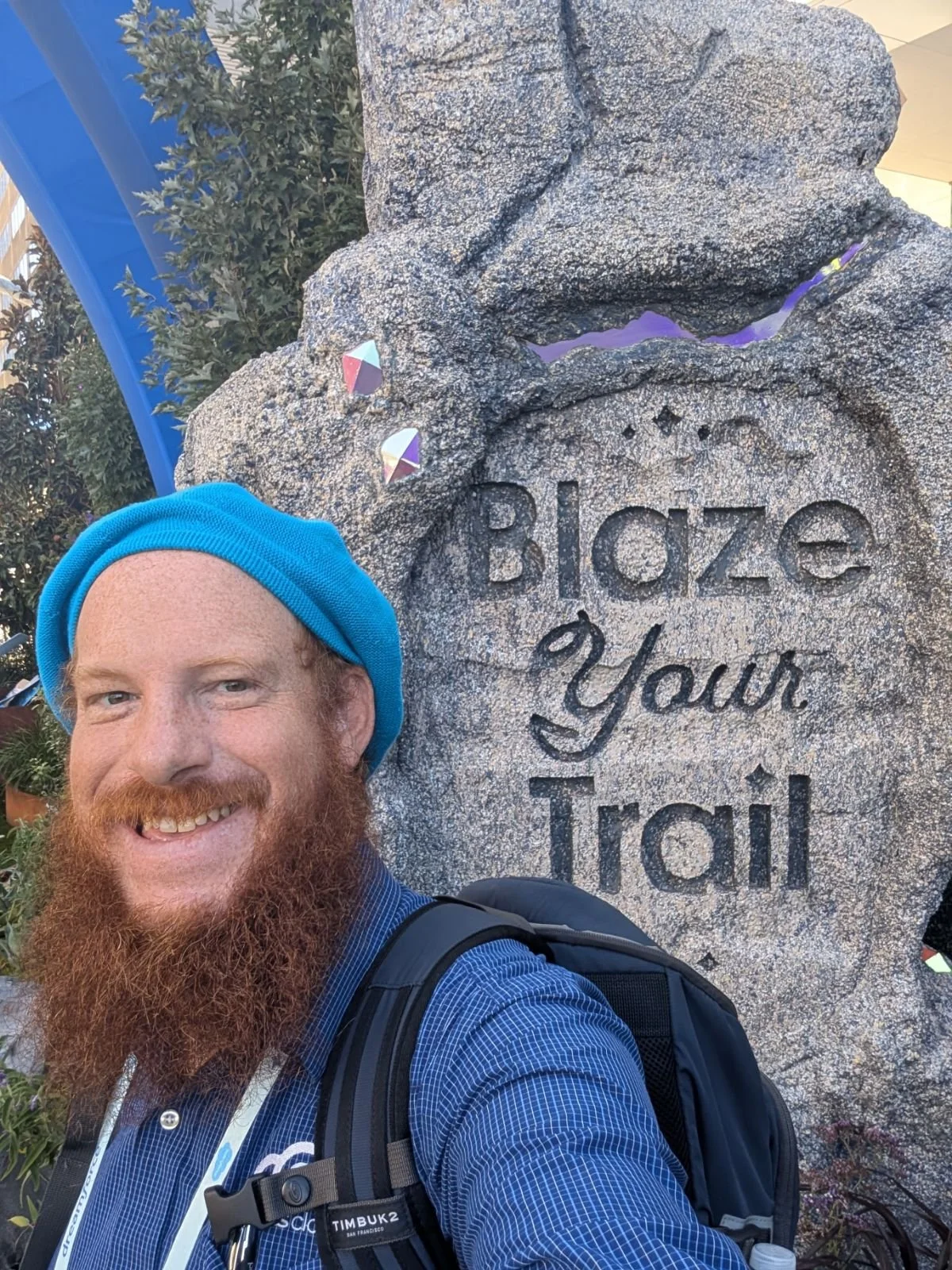
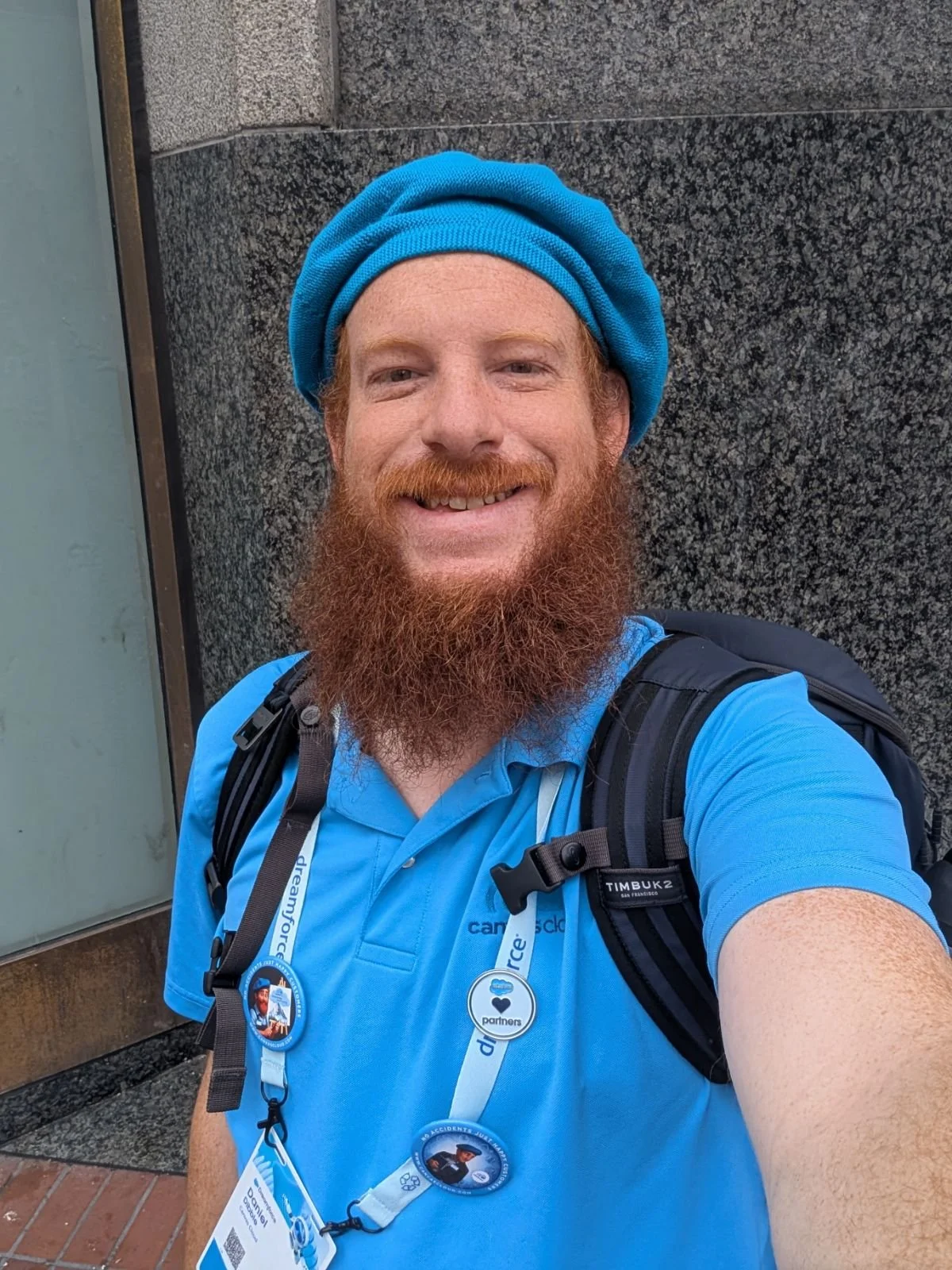
If you’ve joined us at an event or followed us on social media, you’ve probably spotted our signature bright blue berets! Over the past couple of years, we’ve heard how easy they make it to find us and how memorable they’ve become as part of the Canvas Cloud brand.
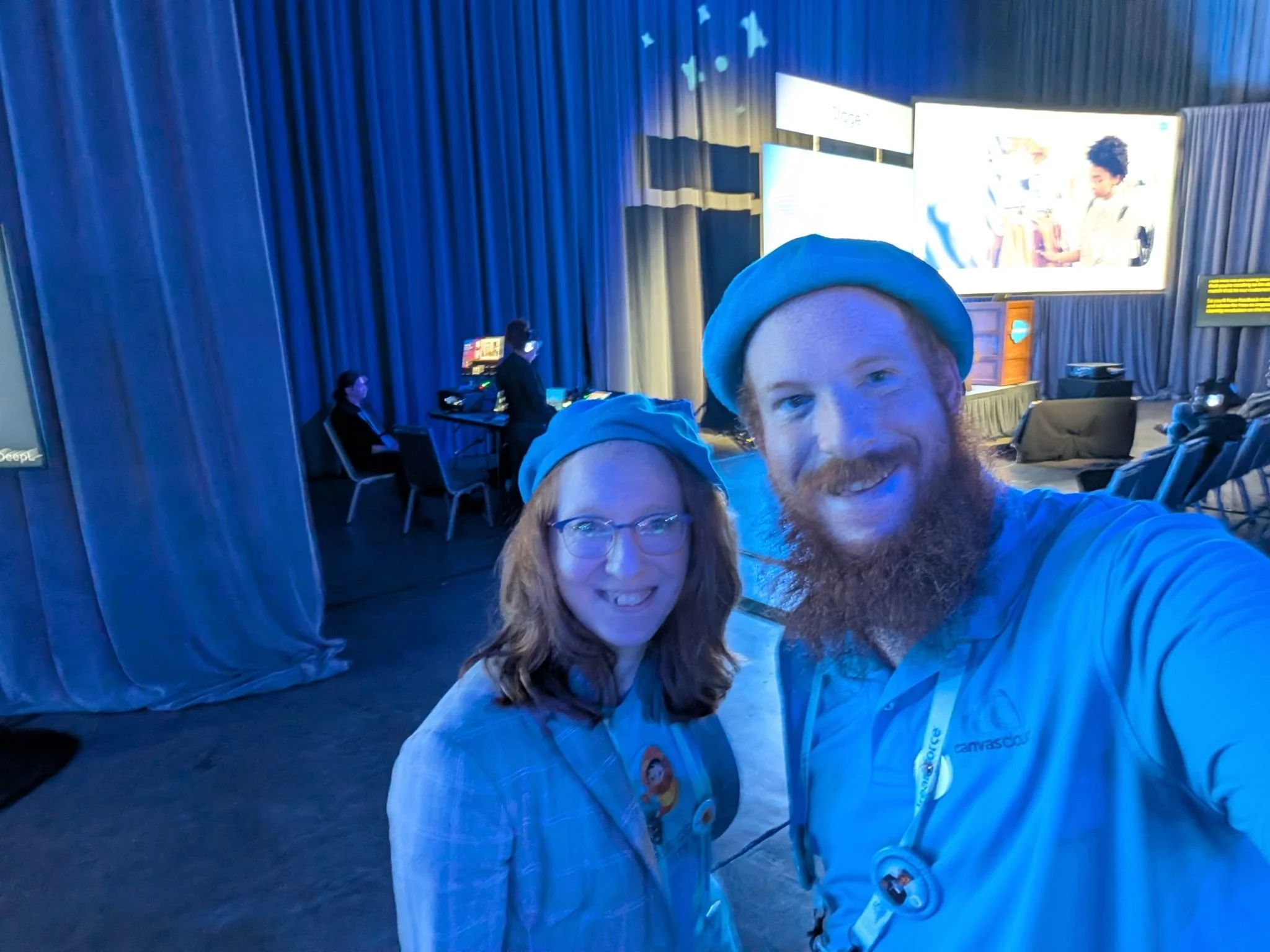
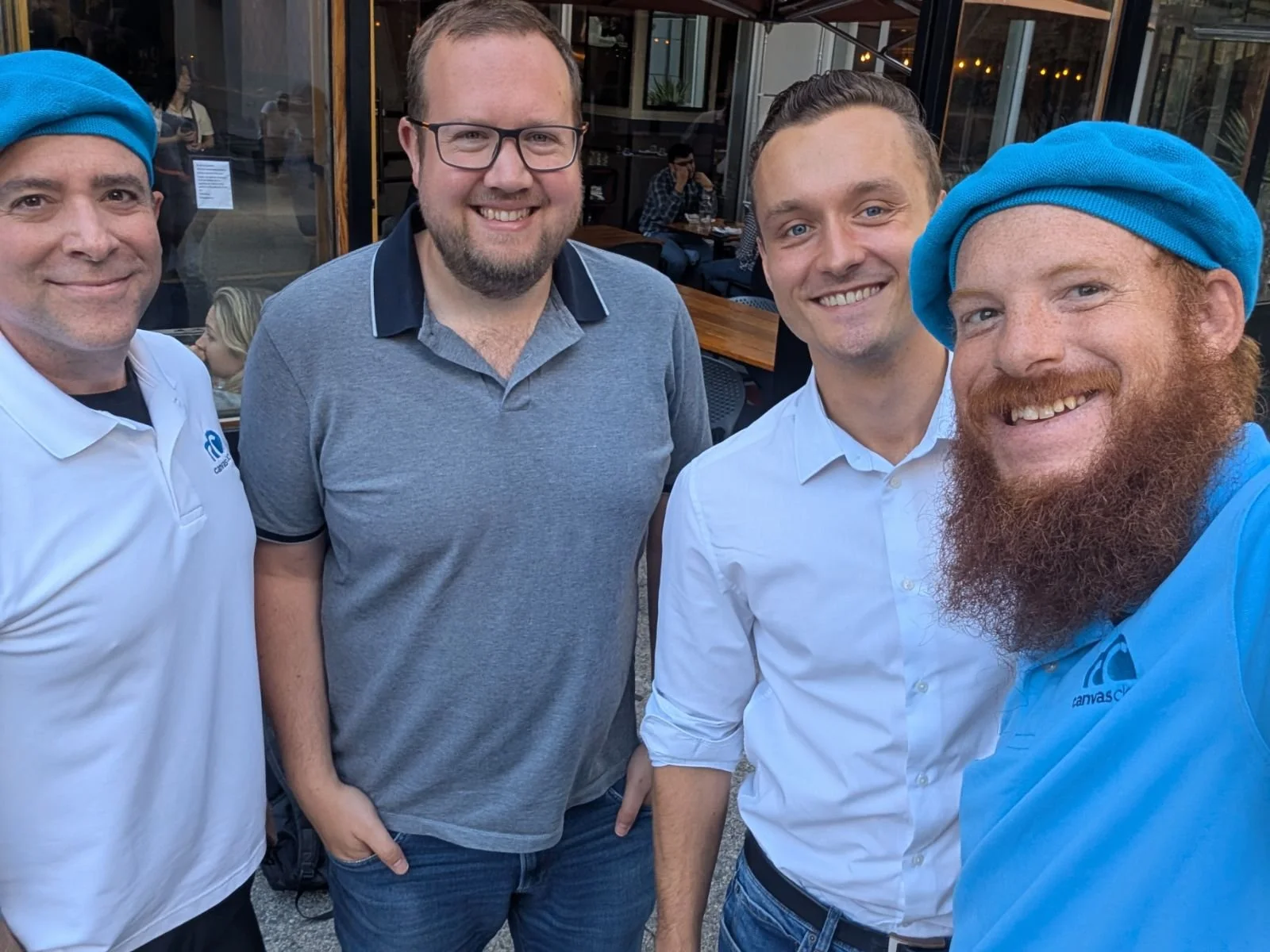
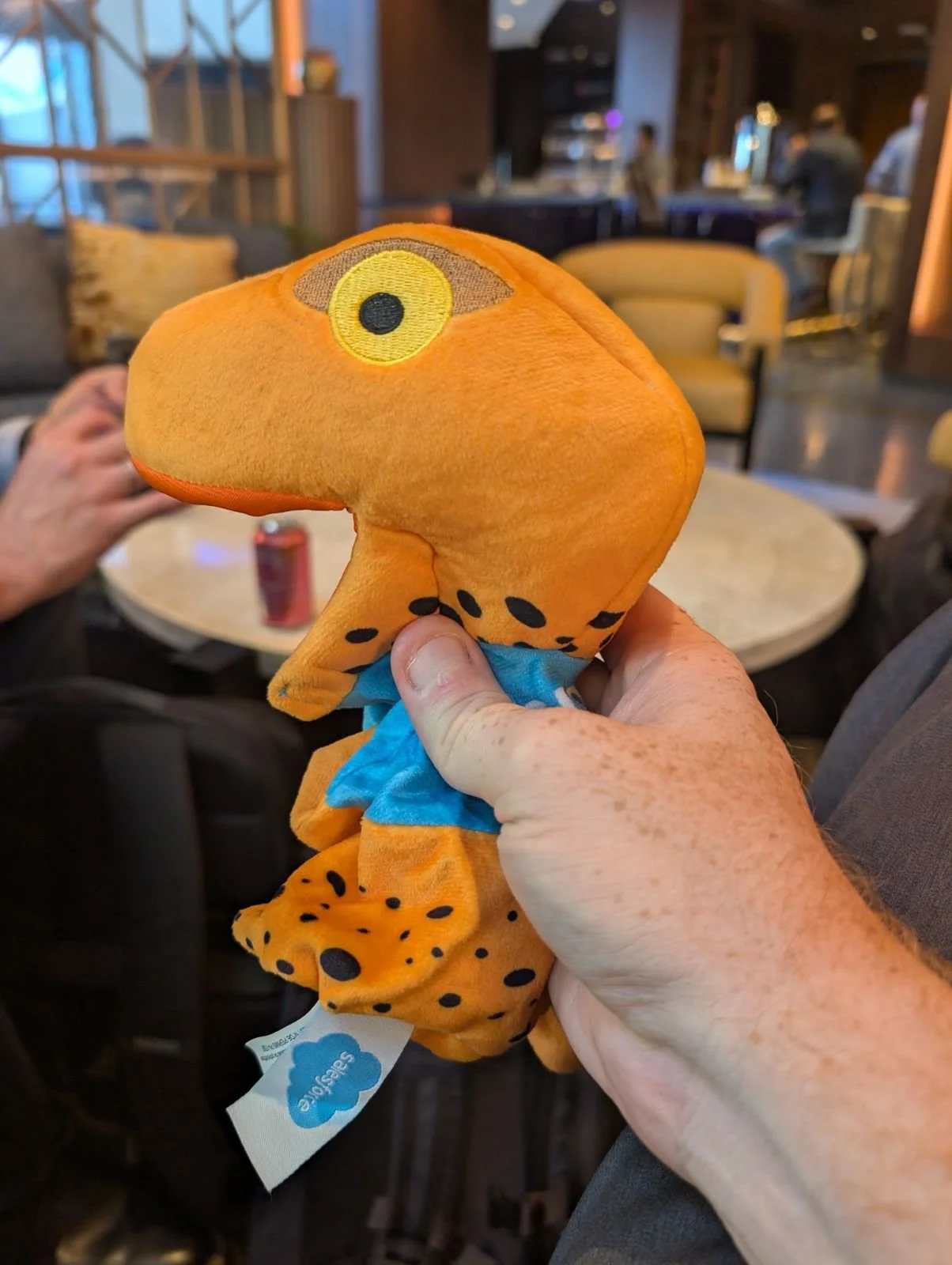
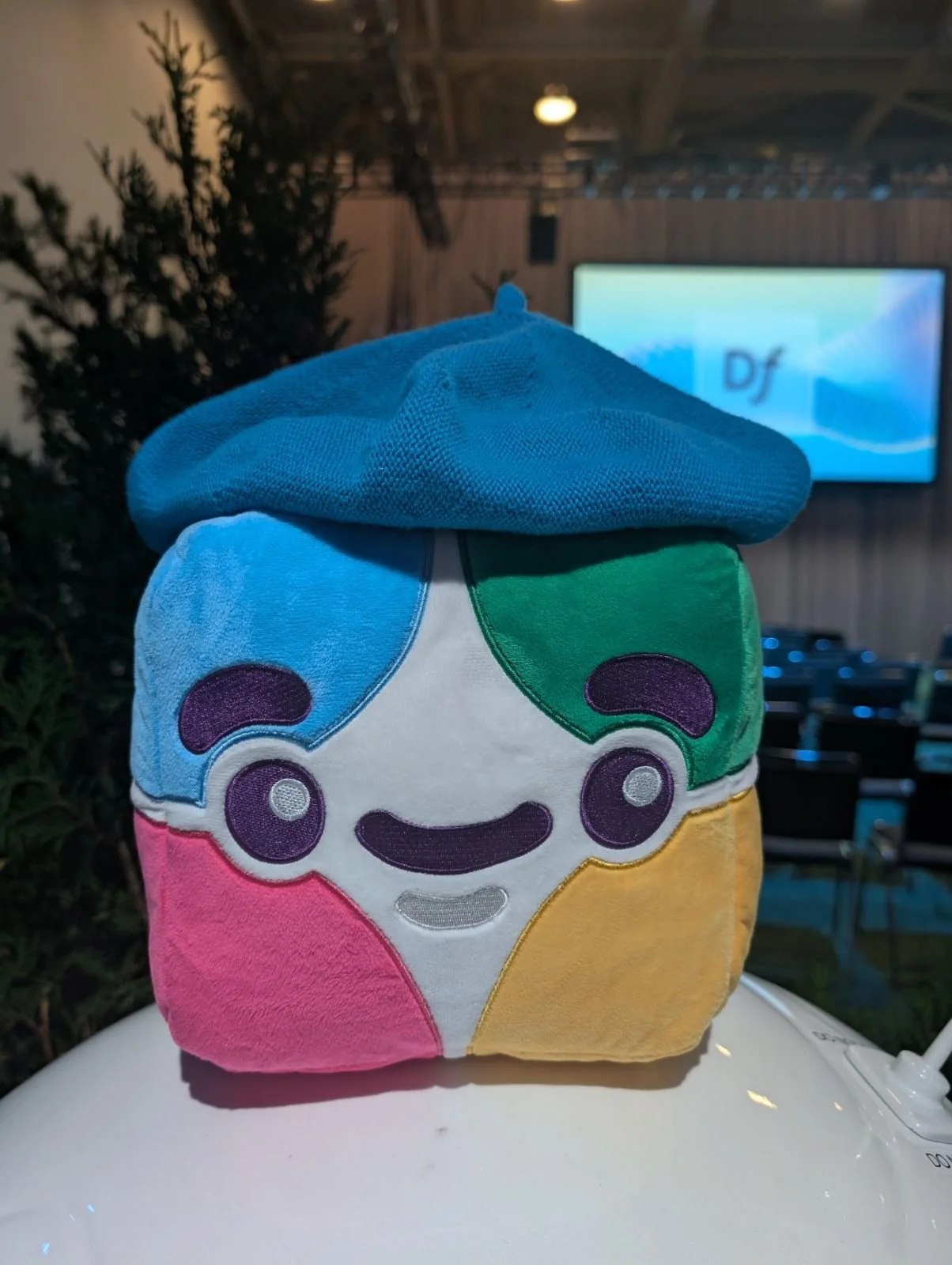
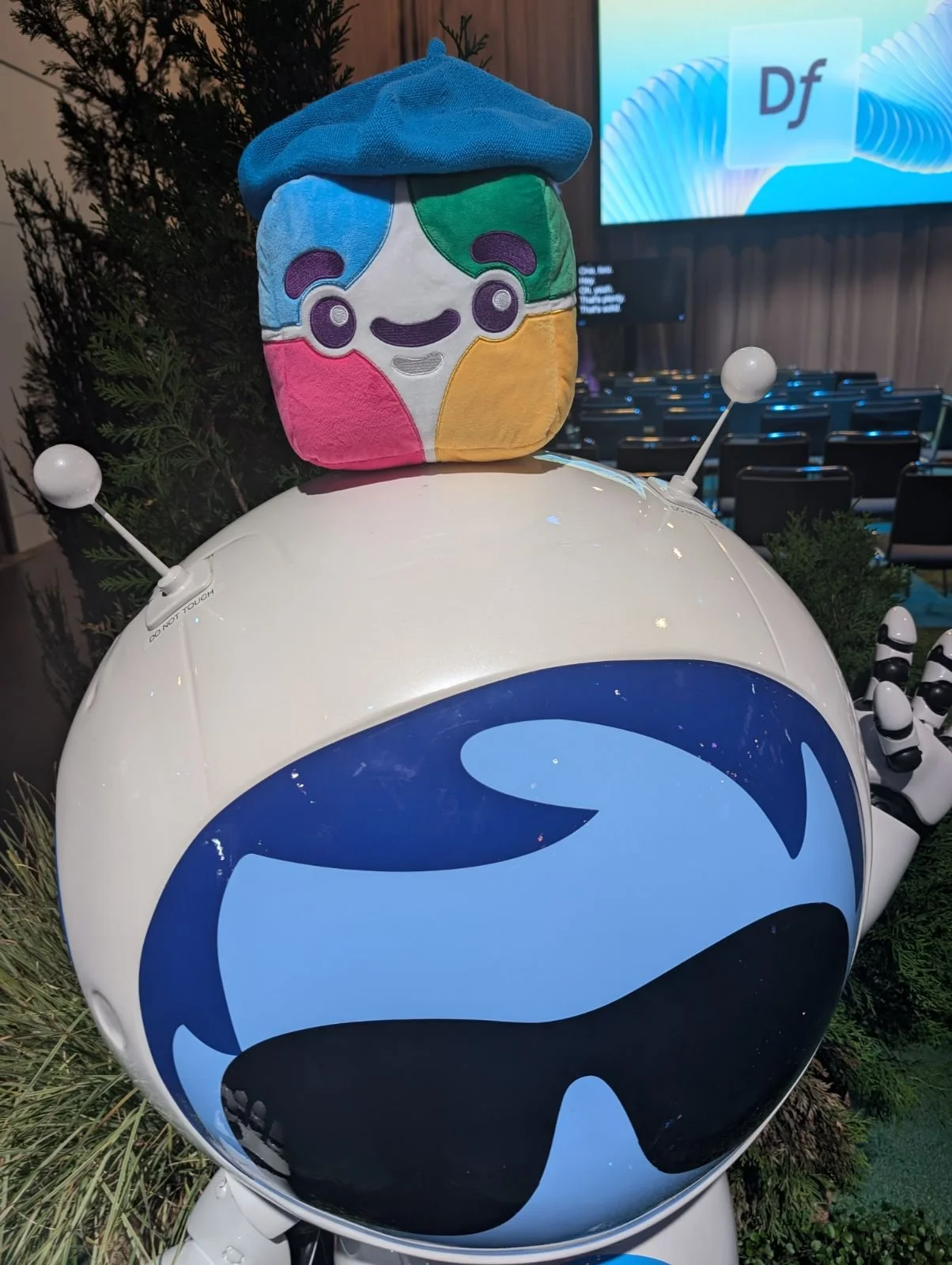
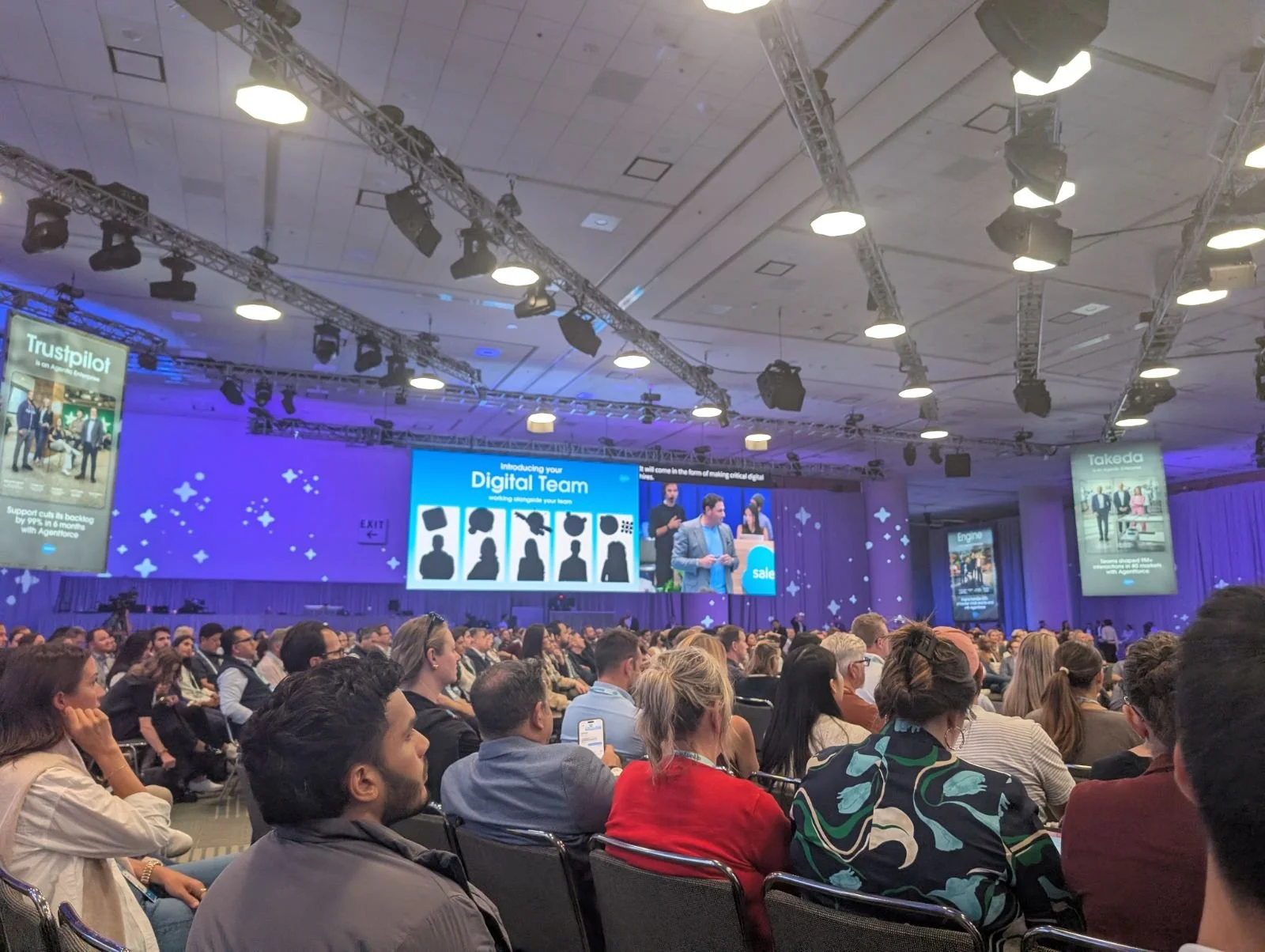
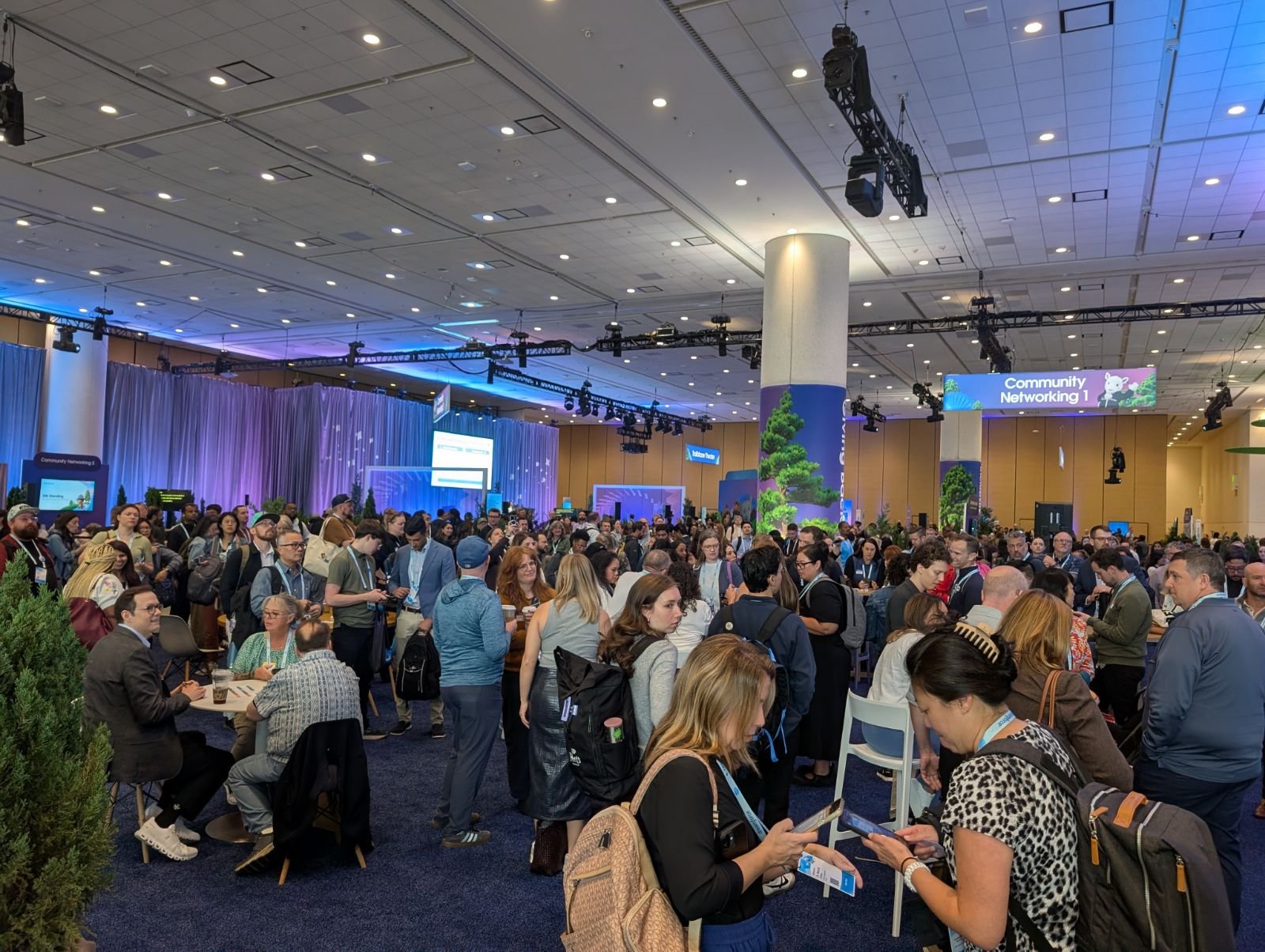
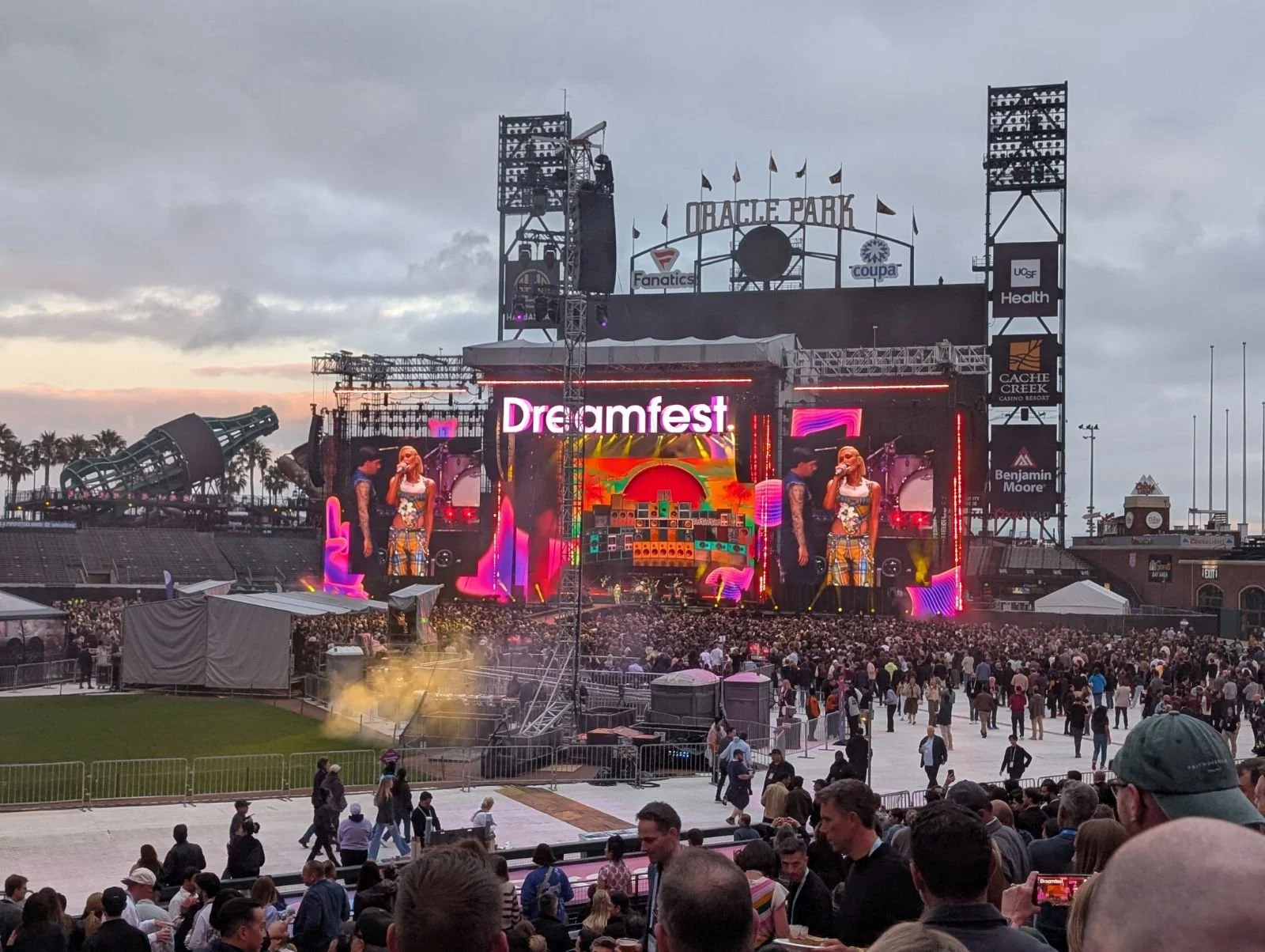
This year, we wanted to bring our friends and fans into the fun. We gave away a limited number of blue berets to attendees who found us and asked for one after seeing our social media promos. Many also posed for a photo with us, joining the Blue Beret Club and adding a little more blue to the Dreamforce crowd. You’ll spot some of those moments in the collage above and in the highlights reel below.
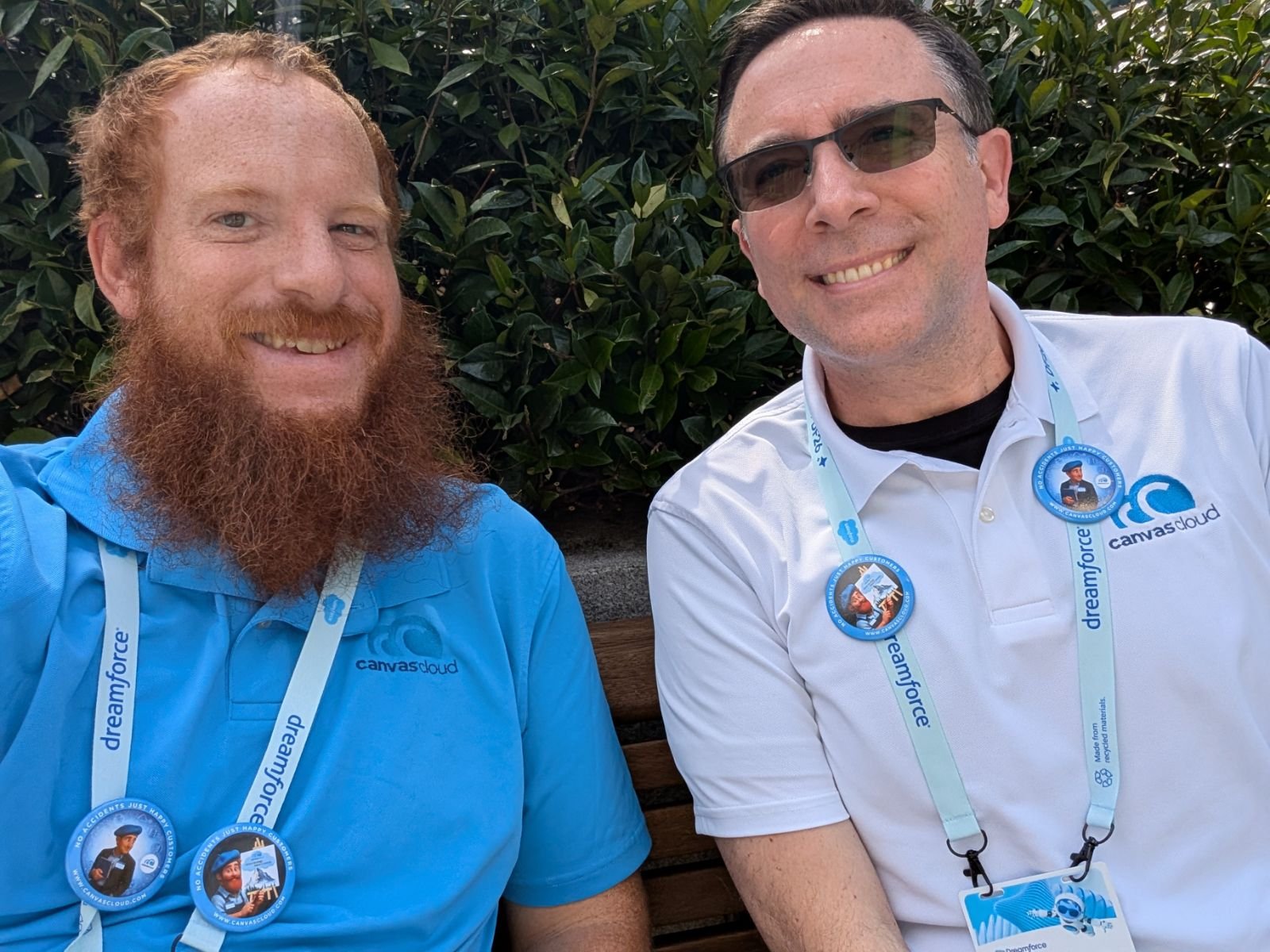
The giveaway was a hit! All of our blue berets found a home and we’re hoping to expand the Blue Beret Club at #DF27. We also handed out dozens of custom collectible buttons featuring our creative alter egos, “Daniel Doodle” and “Benardo da Vinci.”
For us, it was a chance to turn a recognizable part of our brand into something fun and special for Dreamforce. The berets helped start conversations, made us easier to spot, and gave attendees a way to take a little Canvas Cloud creative flair home.
Even the Dreamforce social team joined in with these LinkedIn comments:
Those blue berets are hard to miss! 💙
It's called a statement piece. A Dreamforce statement piece. 💅 Thanks so much for bringing some more color to the grounds, team!
Who knows what we’ll come up with next? With a name like Canvas Cloud, you know we’ll keep bringing creativity and strategy together.
Canvas Cloud’s Highlights from Dreamforce 2026
AIforce brings Salesforce into more places
AIforce is Salesforce’s new live interface layer. Will the name stick? What do you think? We’re somewhat skeptical. AIforce is designed to let people and agents work with Salesforce data, business logic, and workflows from the places where they already work. Salesforce is launching it with Claudeforce, Slackforce, and Agentforce Coworker.
Salesforce describes four layers in its broader architecture. Data 360 provides unified context. Customer 360 supplies application knowledge, processes, and permissions. Agentforce provides tools for building and running agents. AIforce brings those capabilities into different AI interfaces.
The promise is easier access to useful information and actions. The practical question for any organization is whether the underlying data and processes are ready. When customer, supporter, payment, service, or program information is disconnected, a more flexible interface can expose those gaps. When the foundation is sound, staff have a better chance of getting reliable answers and completing work without adding another complicated process to their day.
Koa and agents built for specific jobs
Salesforce and NVIDIA announced Koa, a CRM reasoning model built on NVIDIA Nemotron for Agentforce. Salesforce says Koa is designed for complex tasks that require an agent to work through several steps and use the right tools. It’s available to select pilot customers, with broader U.S. availability expected in winter 2026.
The new Agentforce portfolio makes the agent story more tangible. Casey handles customer help, Paige supports IT and HR requests through Slack and other employee tools, Carter assists shoppers, Hunter works on outbound sales, and Marshall supports supply chain processes. Piper focuses on inbound lead generation, while Fin handles customer experience workflows. Separately, Slackbot is Slack’s personal AI agent.
Salesforce says organizations can adapt the job-ready agents to their own processes and give them names that fit their brand. We’ll be watching how these agents perform in real workflows, including how they coordinate with staff and with one another over time.
What real-world examples show
Daniel’s favorite session was the SMB and Startup keynote, which explored how smaller teams can use agents to expand their capacity without a matching increase in headcount. Salesforce showcased five ready-to-deploy agents, including Fin, and brought together leaders from SaaStr AI, Perplexity, Fundamental, and Legora to discuss their experiences. The emphasis was practical: giving agents specific jobs that help a lean team do more. Salesforce’s keynote recap.
Two more stories from the week illustrate how different organizations are approaching agents:
Live Nation announced an expansion of its Venue Agent to answer fans’ questions about parking, door times, accessible seating, and other show details across U.S. venue websites. Questions that need a person can be routed to its fan engagement team.
At the nonprofit keynote, Salesforce highlighted Relationships Australia South Australia (RASA). The organization spent years defining its practices, establishing a minimum data set, and creating a consistent client journey. It now uses Agentforce to give practitioners concise briefings, within their permissions, before client appointments.
The settings are different, but the implementation lesson travels well: useful agents need accurate information, clear boundaries, and a sensible path to human judgment.
A quieter change: familiar product names return
Amid the AI announcements, Salesforce has restored familiar names to some established products. Sales Cloud is called Sales Cloud again, while Agentforce remains the name of Salesforce’s agent platform and related offerings. The shift may make the portfolio easier to understand, though Salesforce’s pages and documentation still use a mix of names. Also to the relief of the entire community around nonprofits, Nonprofit Cloud is back!
The practical question is what sits behind a name. Teams making platform decisions need to know which capabilities are available, what they cost, and whether a change in terminology signals any change to their current software or migration plans.
Our conversation with FinDock: Moving Beyond NPSP
As a strategic partner in FinDock’s Beyond NPSP initiative with Salesforce, we were excited to meet with the FinDock team in person the day before Dreamforce. If you’re not familiar, FinDock has made up to €1 million in funding available in 2026 for qualifying nonprofits making the move. Canvas Cloud is an approved consulting partner, bringing migration guidance and implementation support together with FinDock’s Salesforce-native payment platform. Our published offering includes a complimentary technology assessment and five consulting days for qualifying organizations.
At the meeting, we learned that FinDock is also very active in other industries – with a special focus on the insurance industry – and has had significant success helping businesses track recurring charges. We look forward to continuing discussions with them about how we can partner with them on Salesforce projects beyond nonprofits.
What we’re taking home
Dreamforce offered ambitious demonstrations, emerging customer examples, and plenty of new terminology. We’re leaving with a familiar priority: help organizations make sound decisions for the people who rely on them.
AIforce, Koa, and the new agents show where Salesforce is heading. The customer stories show what preparation looks like in practice. Our conversations throughout the week reinforced that technology works best when it serves a clear purpose.
We’ve already installed Claude into our Salesforce instance this week and are experimenting with the capabilities and look forward to rolling this feature out to our clients.
If you’re looking for help with your Salesforce instance – optimizations or ongoing support – we’re here to help. If you’re new to Salesforce, we can help with implementation. Let’s talk.