Key Takeaways from Intersolar & Energy Storage North America Midwest 2026
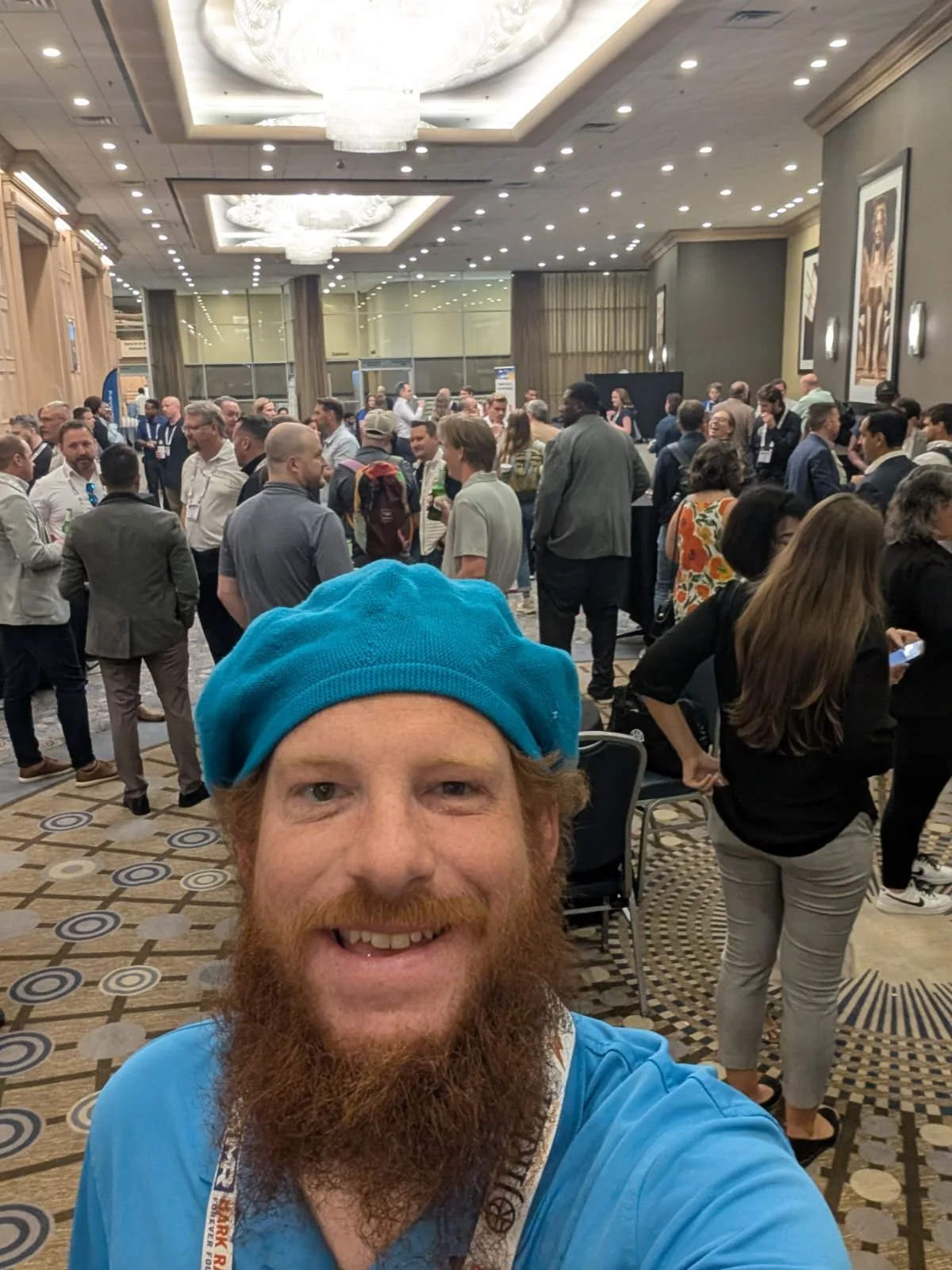
Over the past few years, I’ve had the opportunity to attend several renewable energy conferences, including RE+, Midwest Solar Expo, and ASES SOLAR. Each event attracts a different mix of attendees and perspectives, but many of the industry’s biggest topics continue to surface year after year: growing energy demand, grid modernization, energy storage, evolving federal regulations, and the operational challenges that come with rapid growth.
Those themes were front and center again at Intersolar & Energy Storage North America (IESNA) Midwest 2026 in Rosemont, Illinois, last week (June 14-26, 2026). The event brought together developers, EPCs, manufacturers, utilities, investors, and technology providers for three days of education, networking, and discussion about the future of clean energy in the Midwest.
Here are a few takeaways from the event.
The Midwest Solar Market Continues to Mature
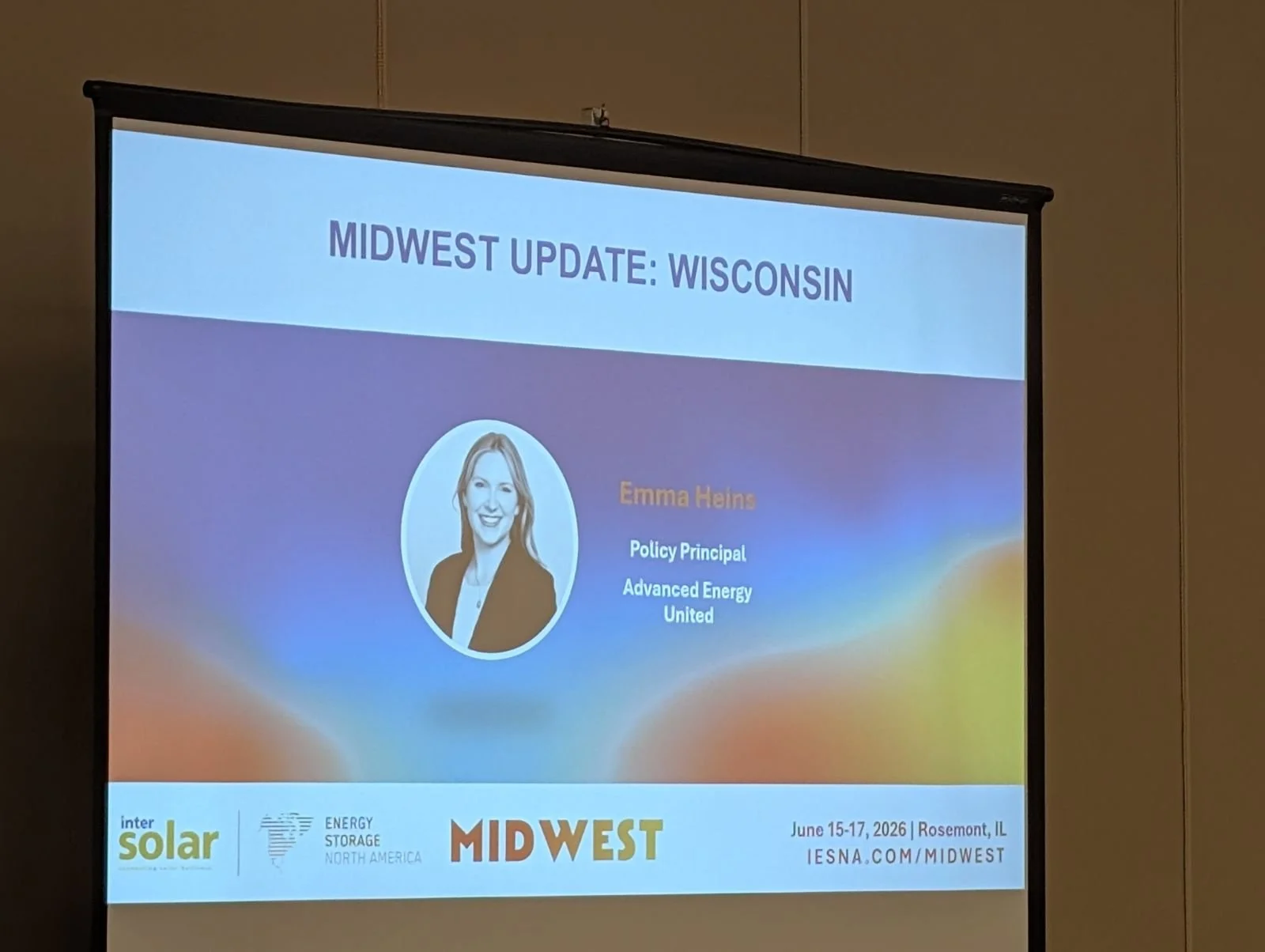
The conference highlighted how solar and energy storage development continues to expand across the Midwest, with increasing focus on state-specific market opportunities, utility planning, and project execution. Speakers emphasized that success often depends on understanding local policy environments, grid constraints, and regional demand drivers.
Illinois is leading in solar and storage innovation not just in the Midwest, but around the country. In many states, community solar initiatives come up on the ballot every year, but they aren’t getting approved. The solar community in each state is continuing to push for community solar in the states that don’t have it yet.
Energy Storage Is Becoming Central to the Conversation
Many sessions focused on storage as a critical component of grid reliability, renewable integration, and future energy planning. Discussions ranged from utility-scale battery projects to hybrid solar-plus-storage deployments.
AI and Data Centers Are Creating New Demand
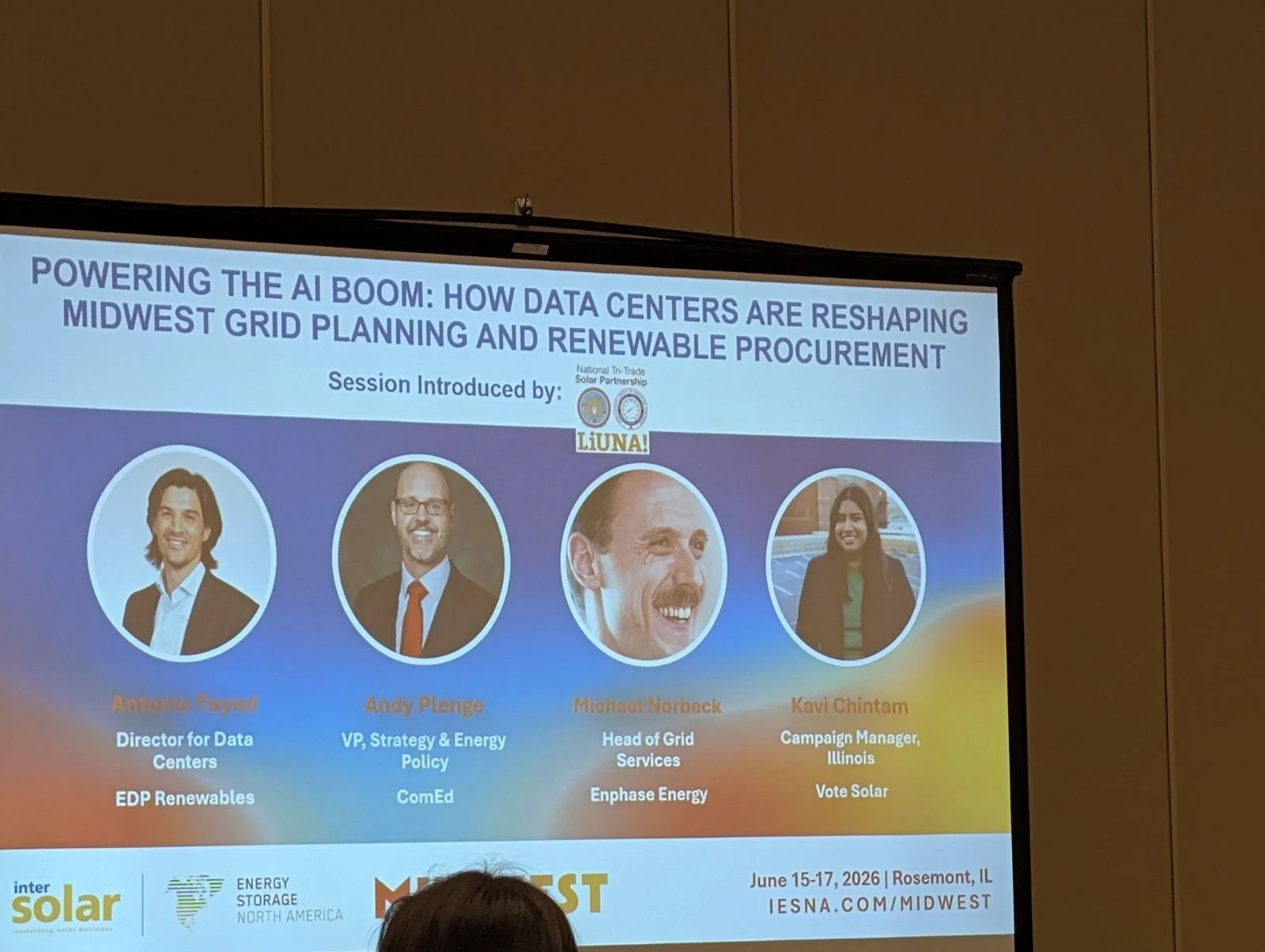
AI-driven demand is rapidly reshaping renewable energy procurement. Rather than viewing this demand solely as a strain, industry leaders are identifying it as a catalyst for growth. Because data centers require reliable, high-volume power to function, they are increasingly integrating renewable energy as a core component of their power strategy. Many operators are now actively seeking out renewable solutions, creating new opportunities for solar and storage developers. Encouragingly, many states are also prioritizing initiatives to ensure that consumers are protected from the increased energy costs associated with data center expansion, fostering a more equitable transition.
Grid Infrastructure Remains a Major Challenge
Grid interconnection, transmission capacity, permitting, and project timelines remain top concerns across the industry. Multiple sessions focused on practical approaches to navigating these challenges while continuing to scale renewable energy projects.
The Power of Connection in a Scaling Industry
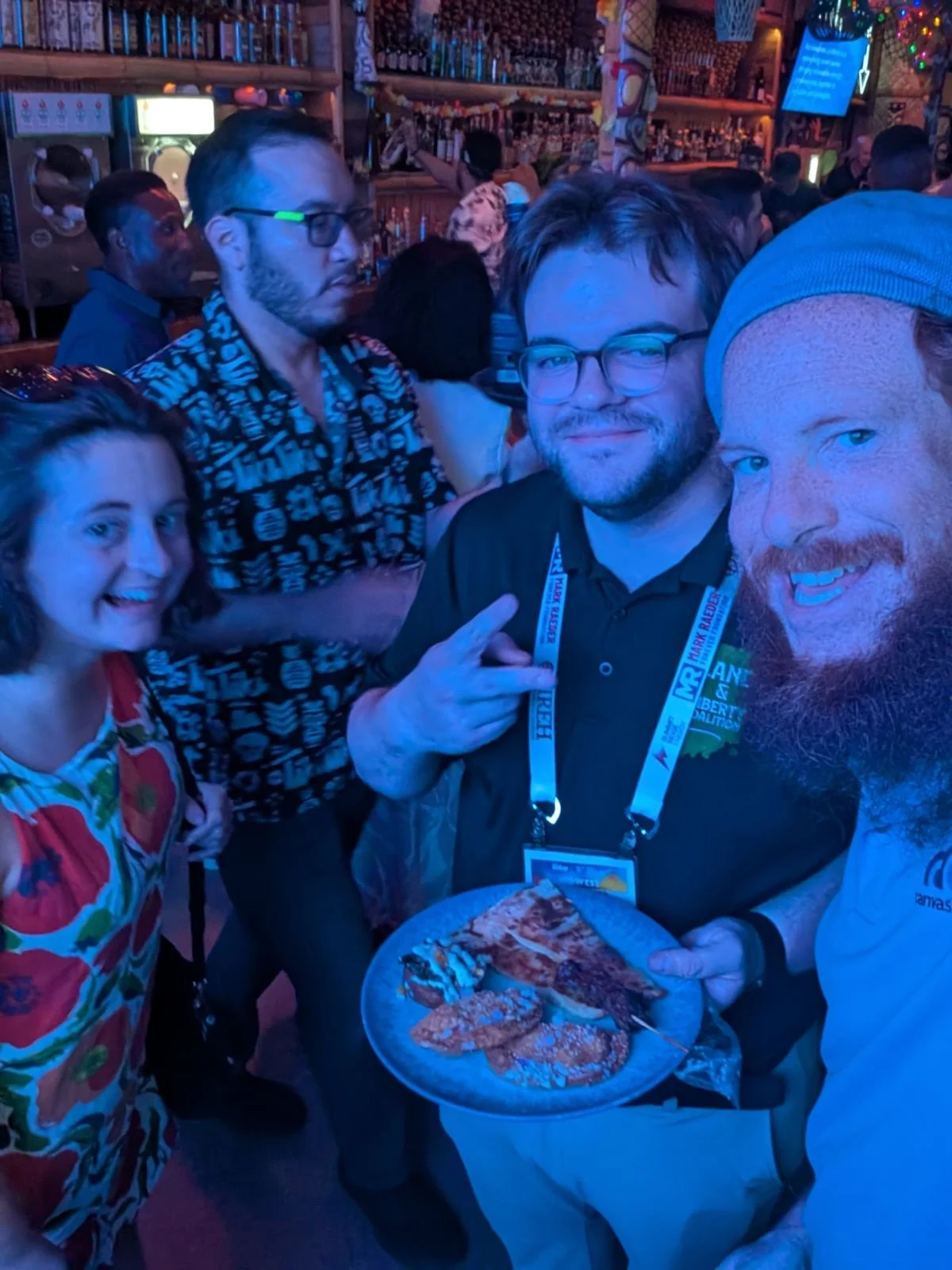
Like many industry events, some of the most valuable conversations happened between sessions. Whether discussing solar development, energy storage, financing, technology platforms, or operational challenges, the event reinforced the importance of building relationships across the clean energy ecosystem.
The event reinforced the importance of building relationships across the clean energy ecosystem. However, fostering these partnerships is only half the battle. Scaling effectively in this environment requires the right systems to manage the technical and operational complexity inherent in today’s renewable projects
Where Salesforce Fits In
The operational complexity behind every successful solar or energy storage project is immense. Developers and EPCs are constantly juggling long sales cycles, intricate grid interconnection applications, permitting timelines, field operations, and ongoing service requests. As companies scale, relying on disconnected spreadsheets and siloed systems creates friction that slows down development and erodes project margins.
Salesforce helps solar organizations overcome these hurdles by providing a "single source of truth." By centralizing customer relationships, project milestones, field data, and reporting in one platform, teams can collaborate more effectively, automate permitting workflows, and gain the real-time visibility needed to make faster, data-driven decisions.
At Canvas Cloud, we help solar organizations fully unlock this potential. Whether you are implementing Salesforce for the first time, looking to optimize your existing environment for complex project management, or need ongoing managed services to keep your team running smoothly, we ensure your platform remains a scalable foundation for growth.
Final Thoughts
Intersolar Midwest 2026 (IESNA) provided an invaluable opportunity to engage with industry leaders, exchange insights across the clean energy ecosystem, and deepen our understanding of the evolving market landscape. Beyond the formal presentations, the event underscored a clear momentum in the industry; while operational hurdles remain, the commitment to scaling clean energy is stronger than ever.
Thank you to everyone who took the time to connect in Rosemont. Are you facing similar challenges in scaling your own renewable projects? Let’s talk about how to streamline your operations and drive growth.
About the Author
Daniel Dibble is President and CRO of Canvas Cloud, a Salesforce Consulting Partner. Connect with Daniel on LinkedIn. If you’d like to meet with Daniel to discuss your organization’s Salesforce strategy, fill out our Contact Us form.