Agentforce World Tour DC 2026: Key Takeaways
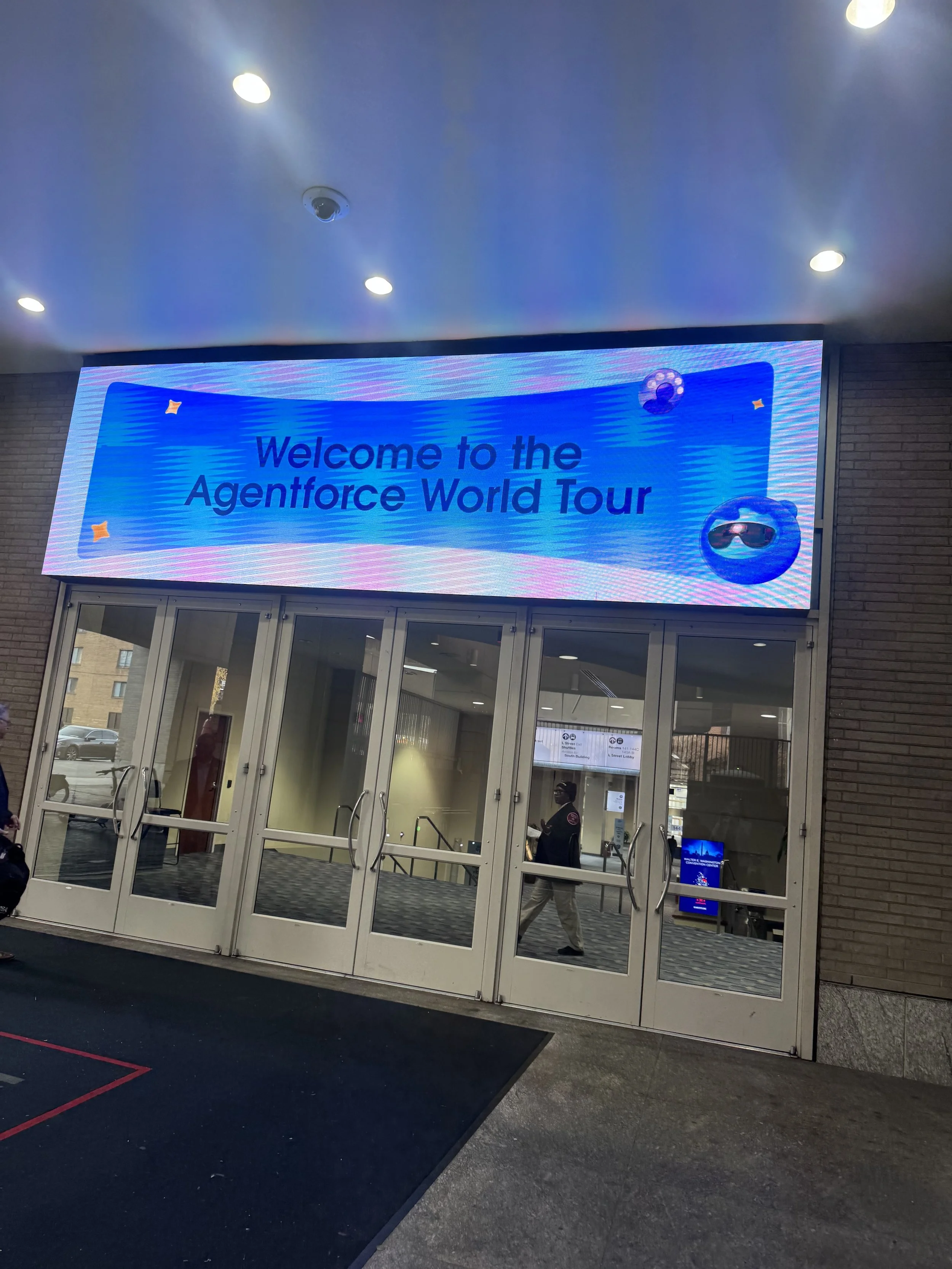
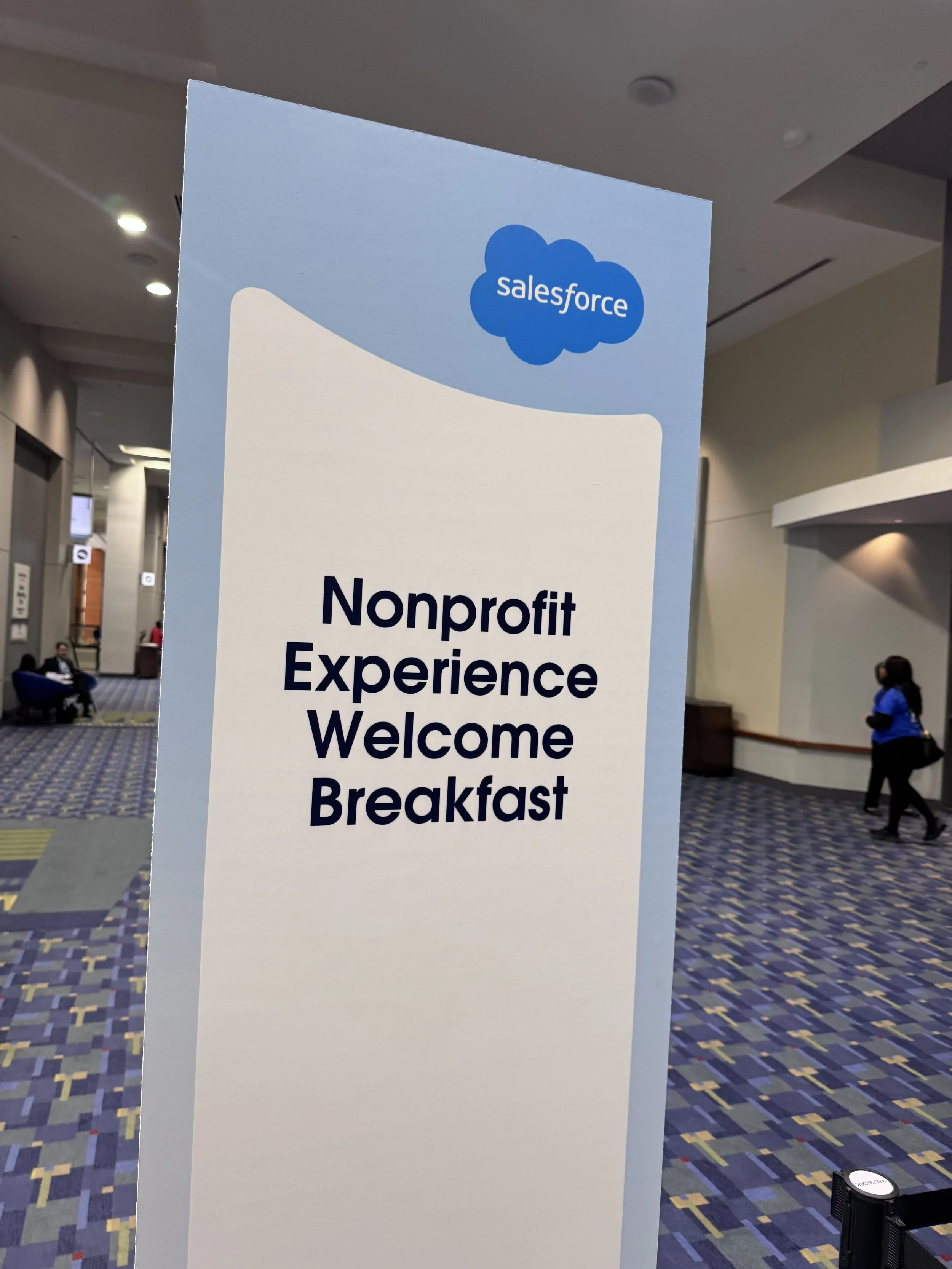
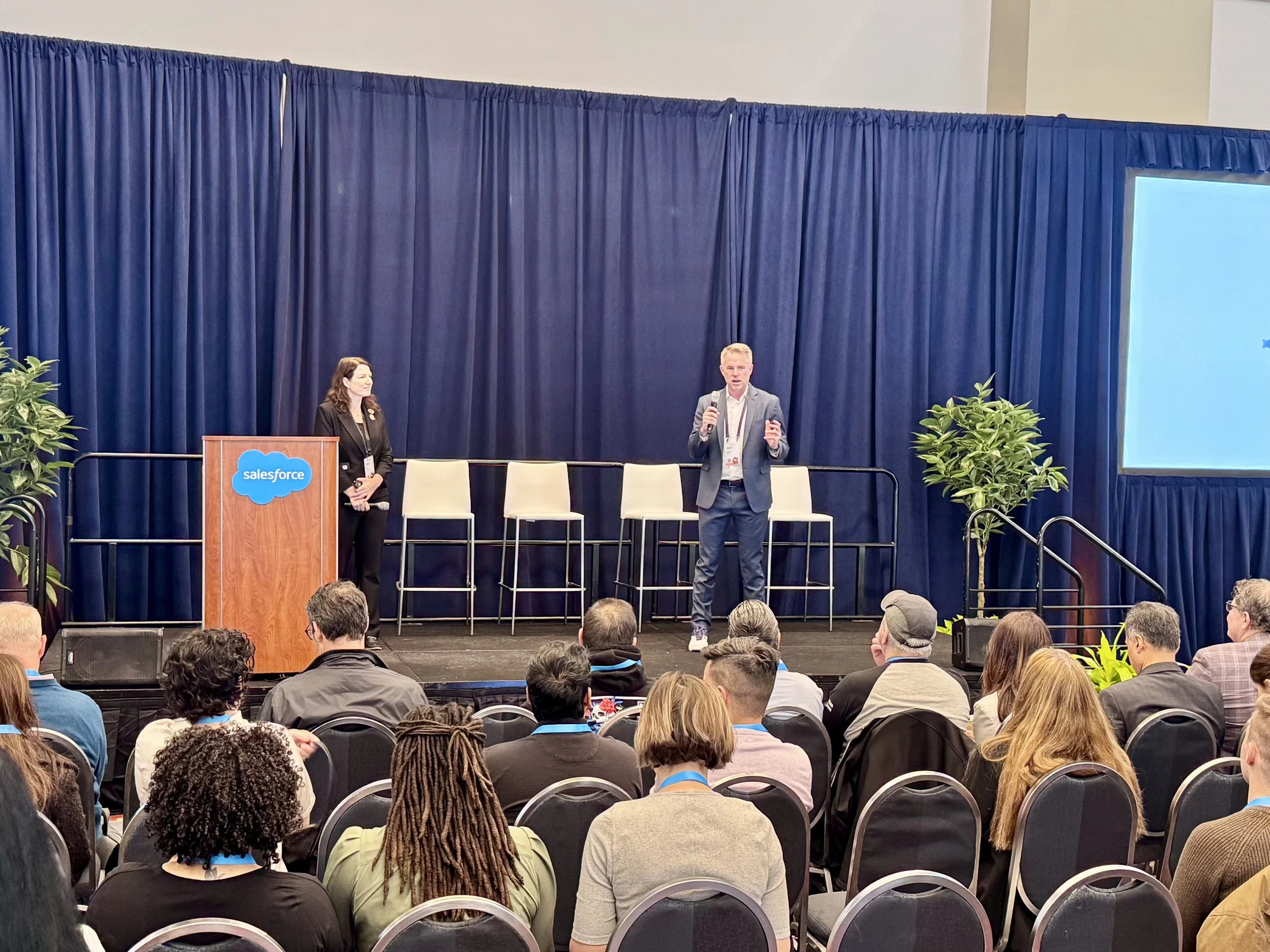
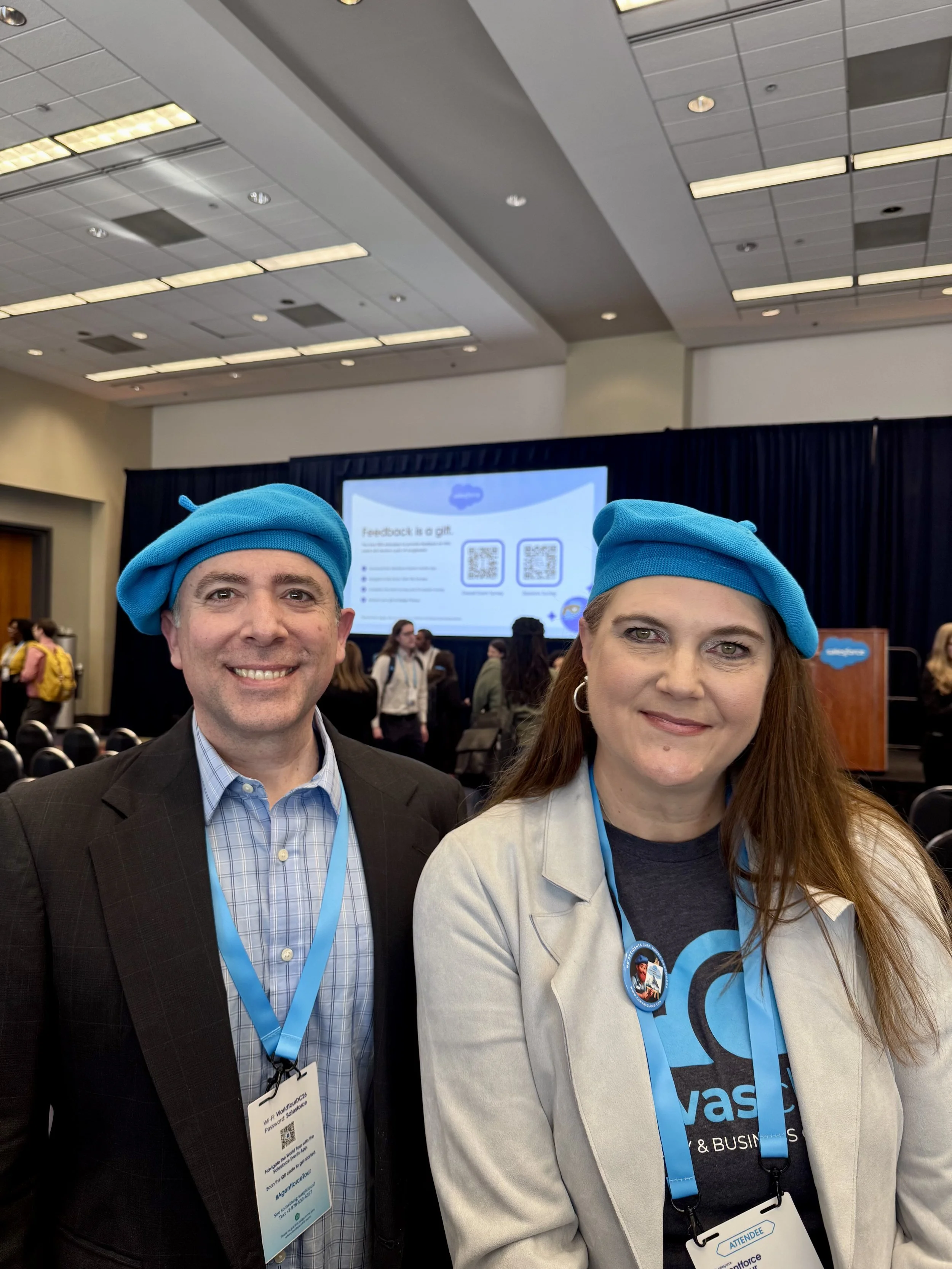
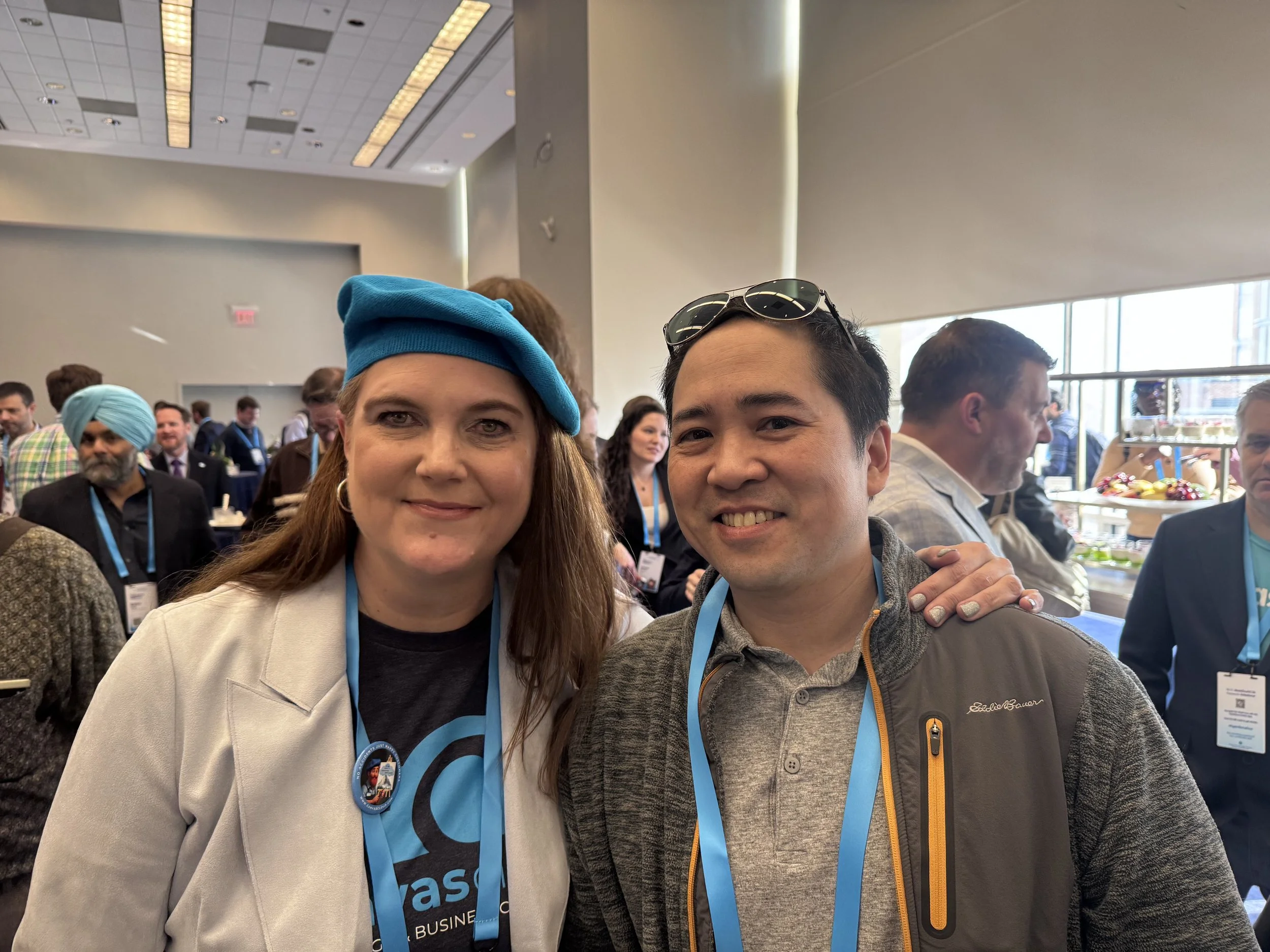
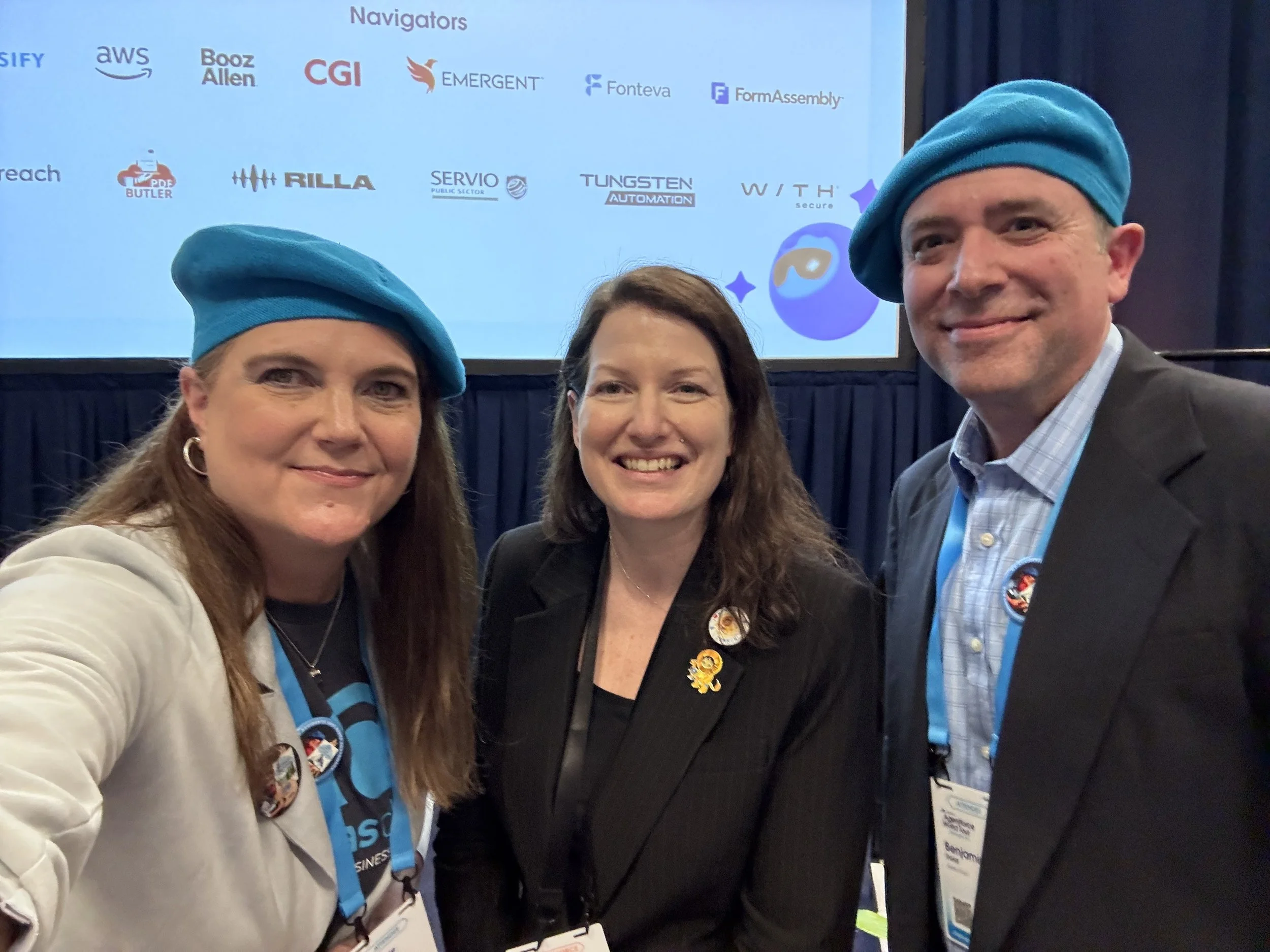
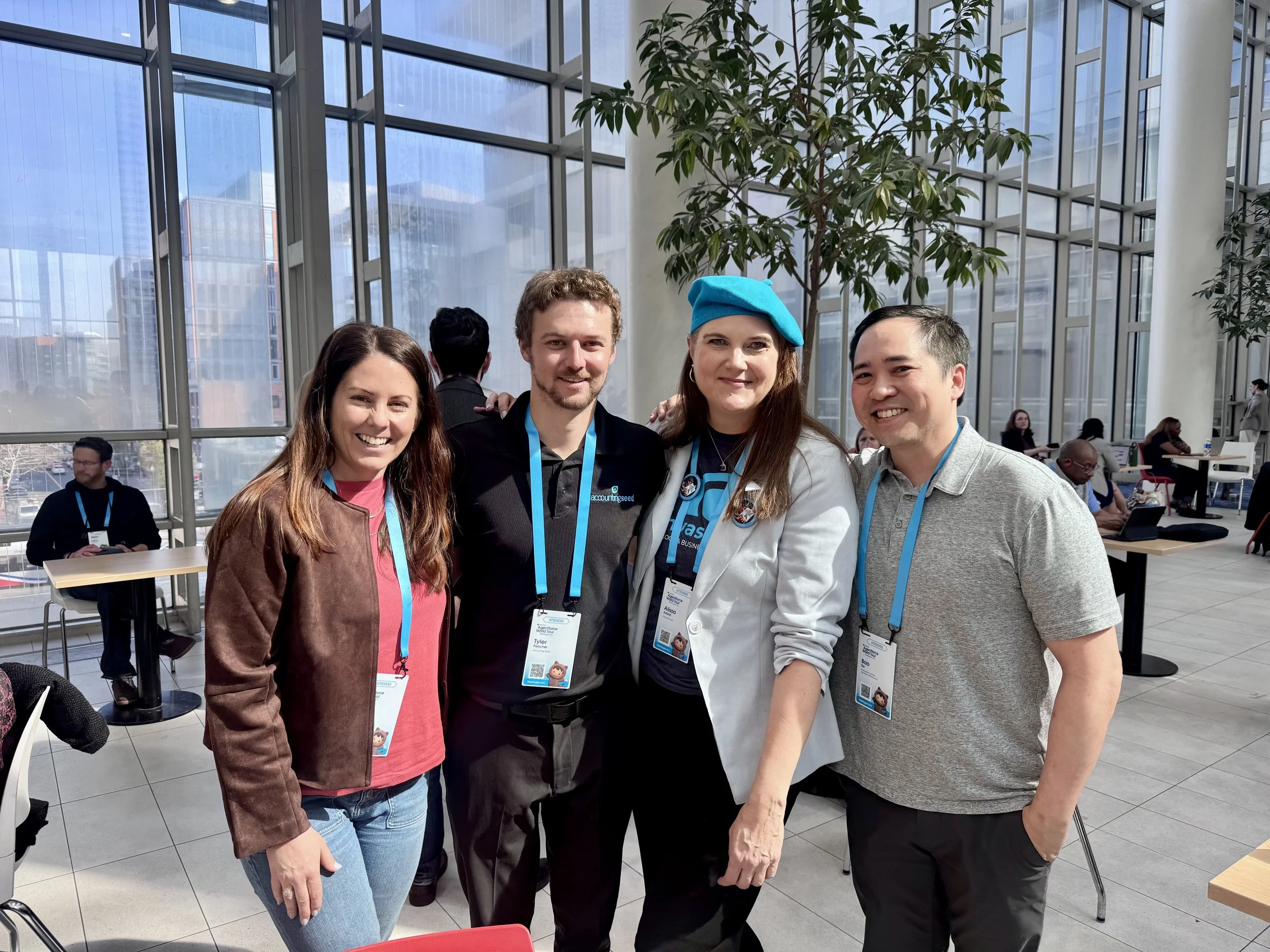
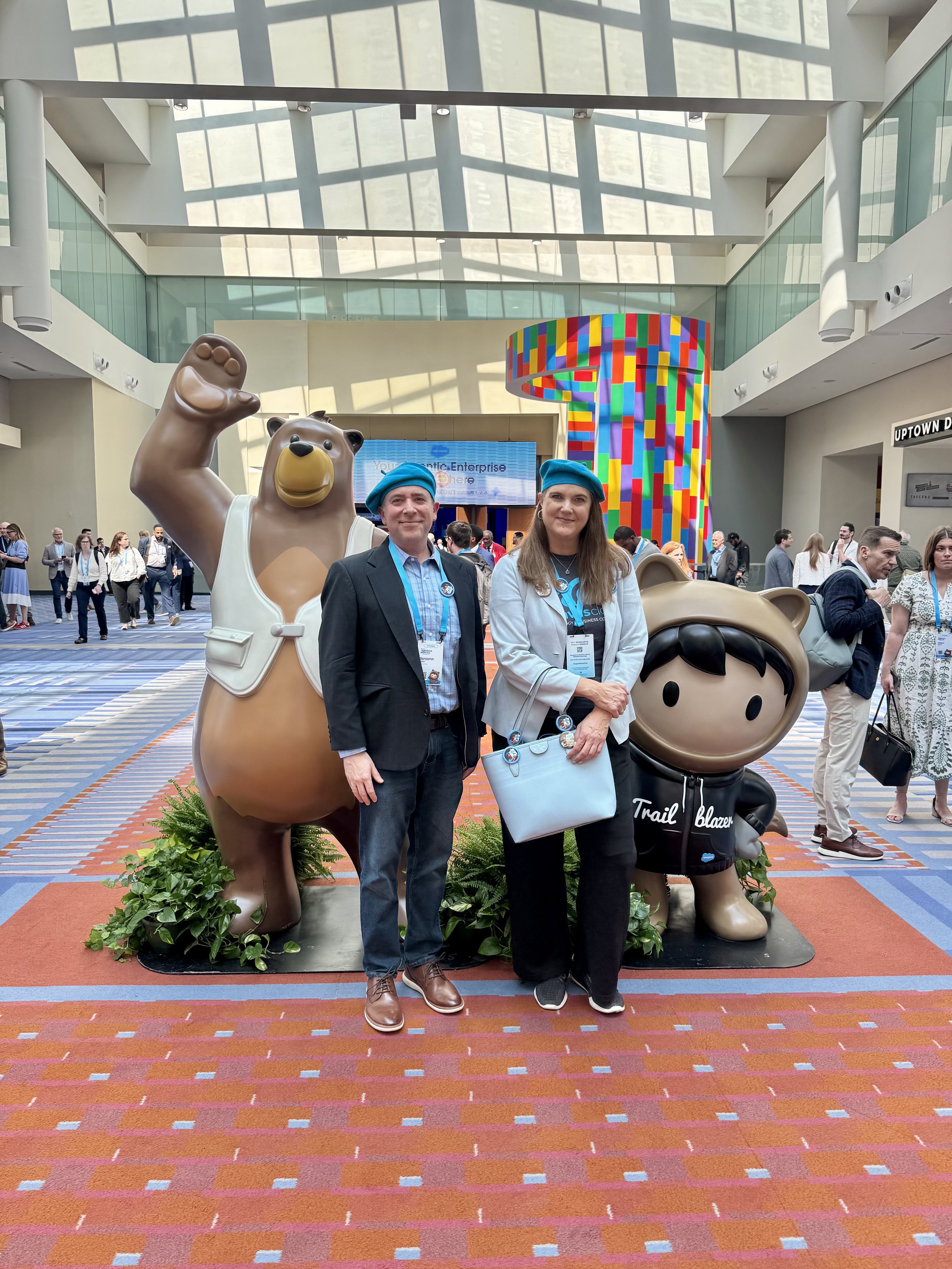
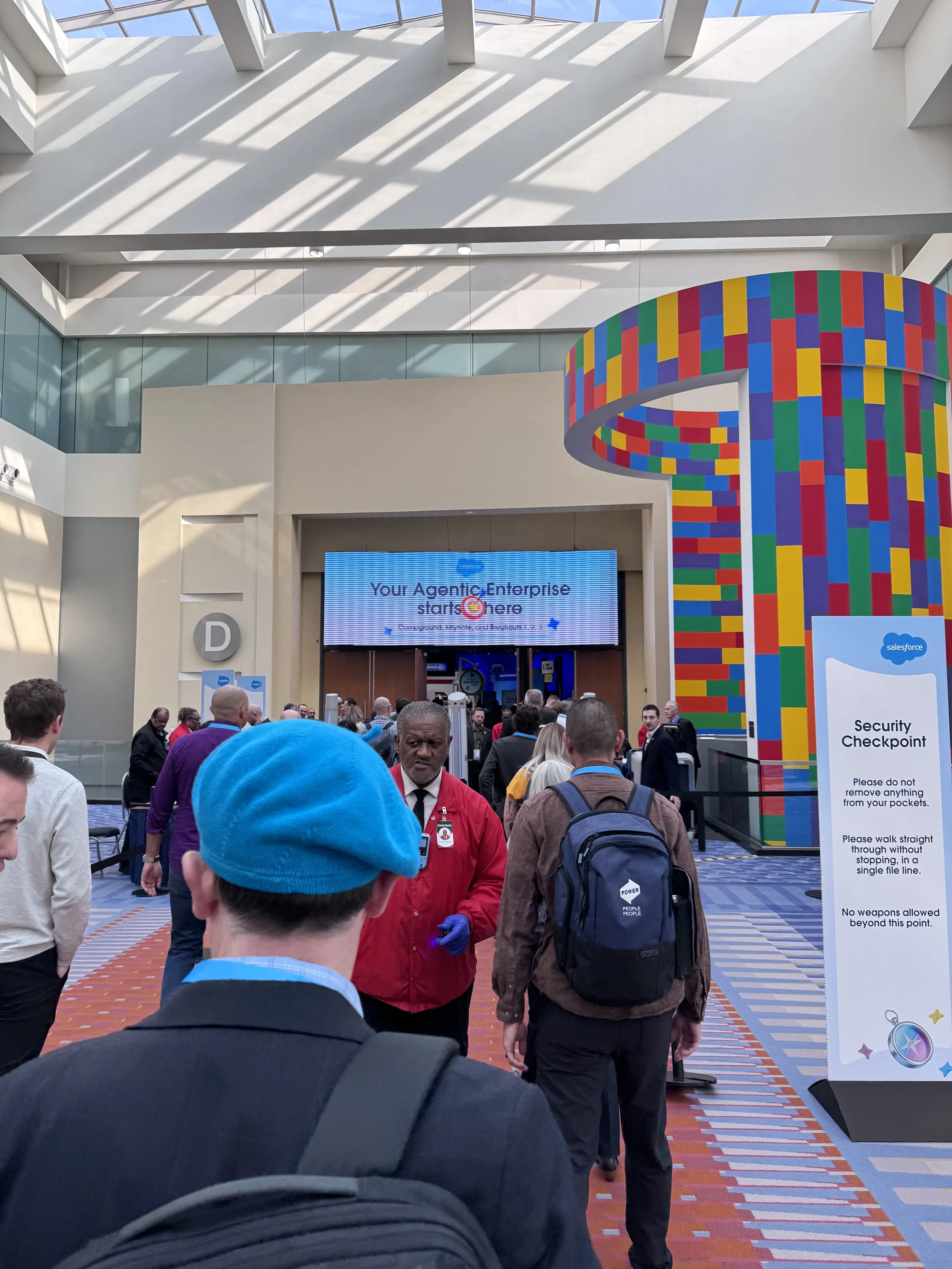
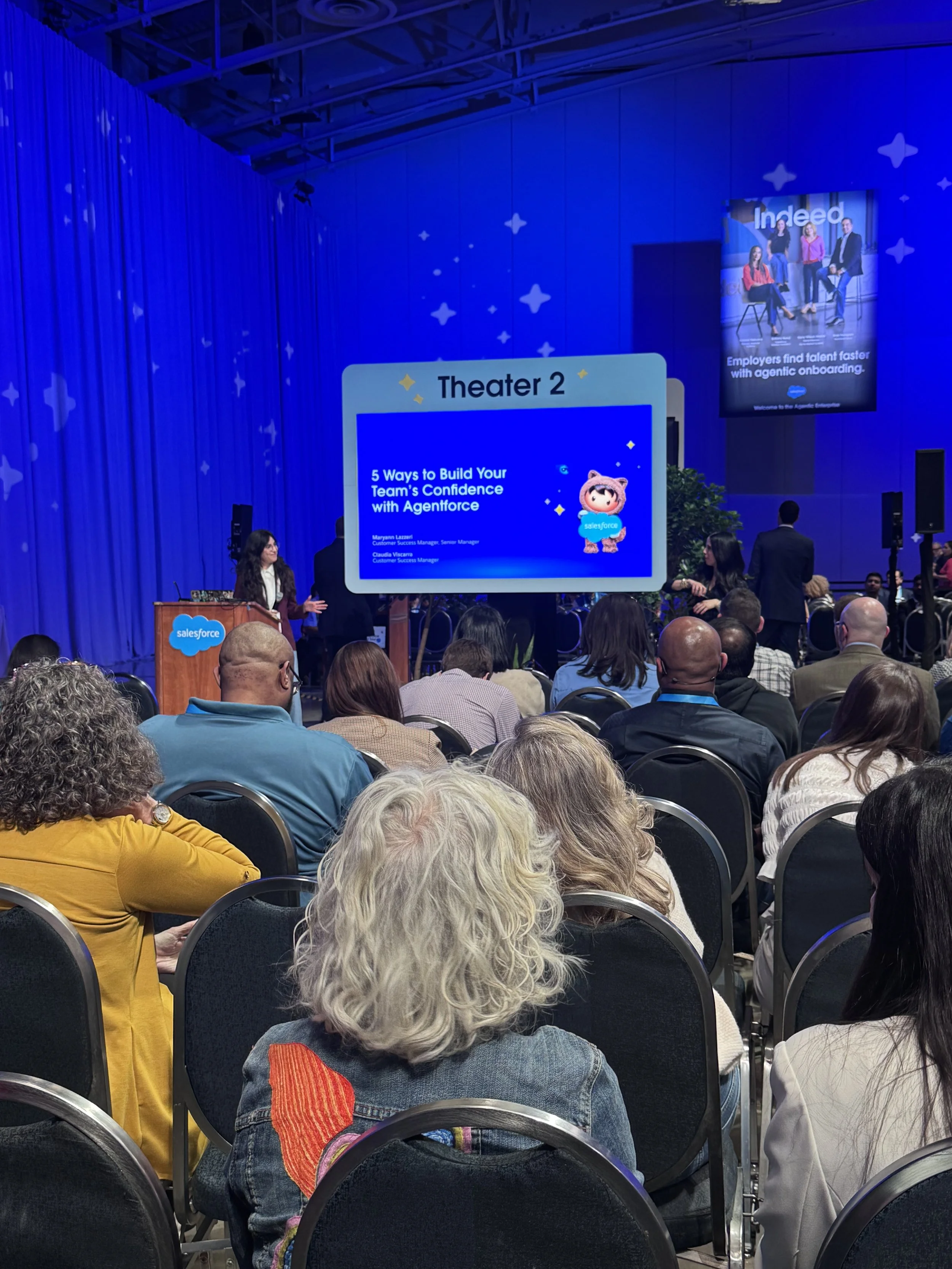
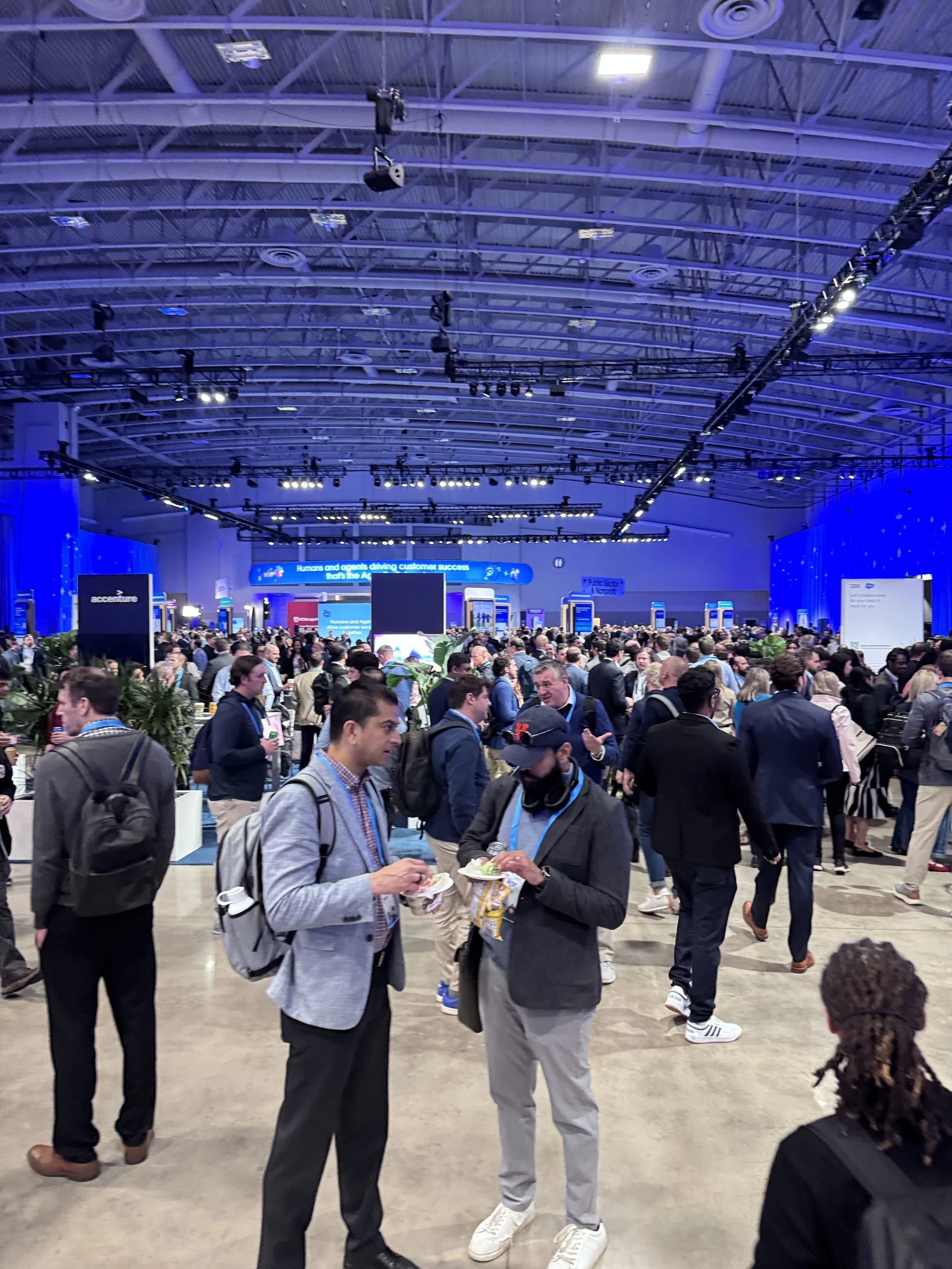
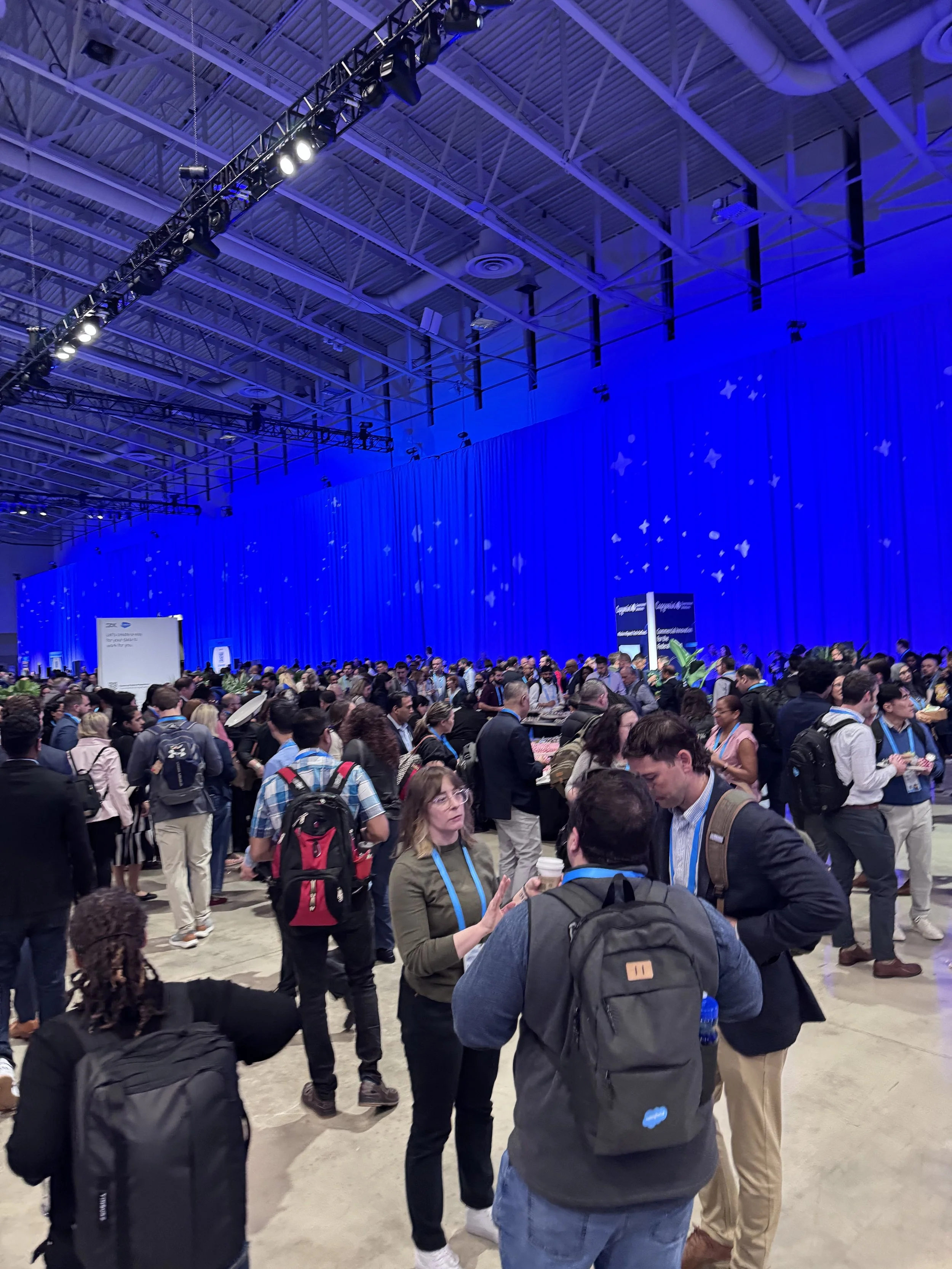
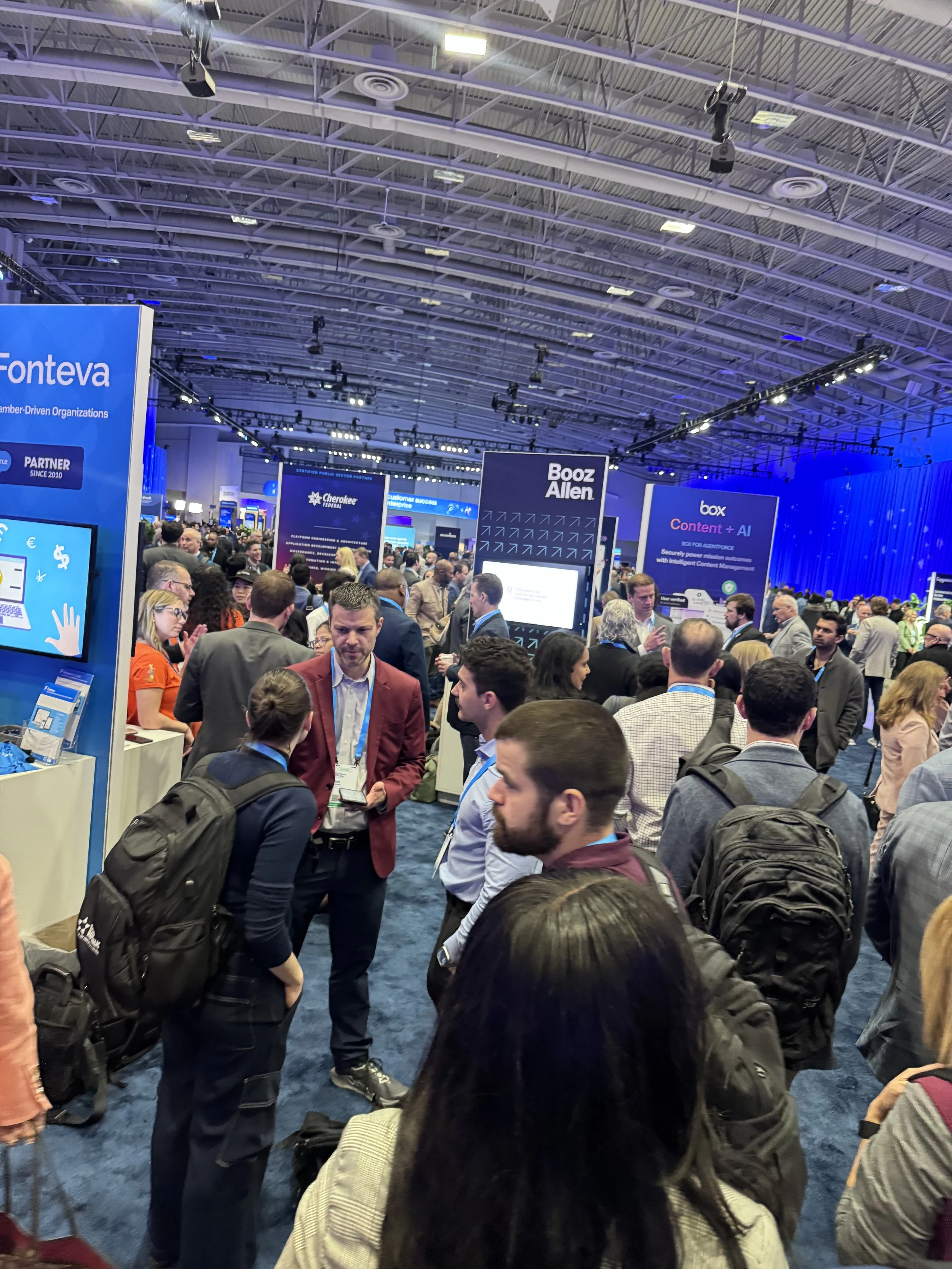
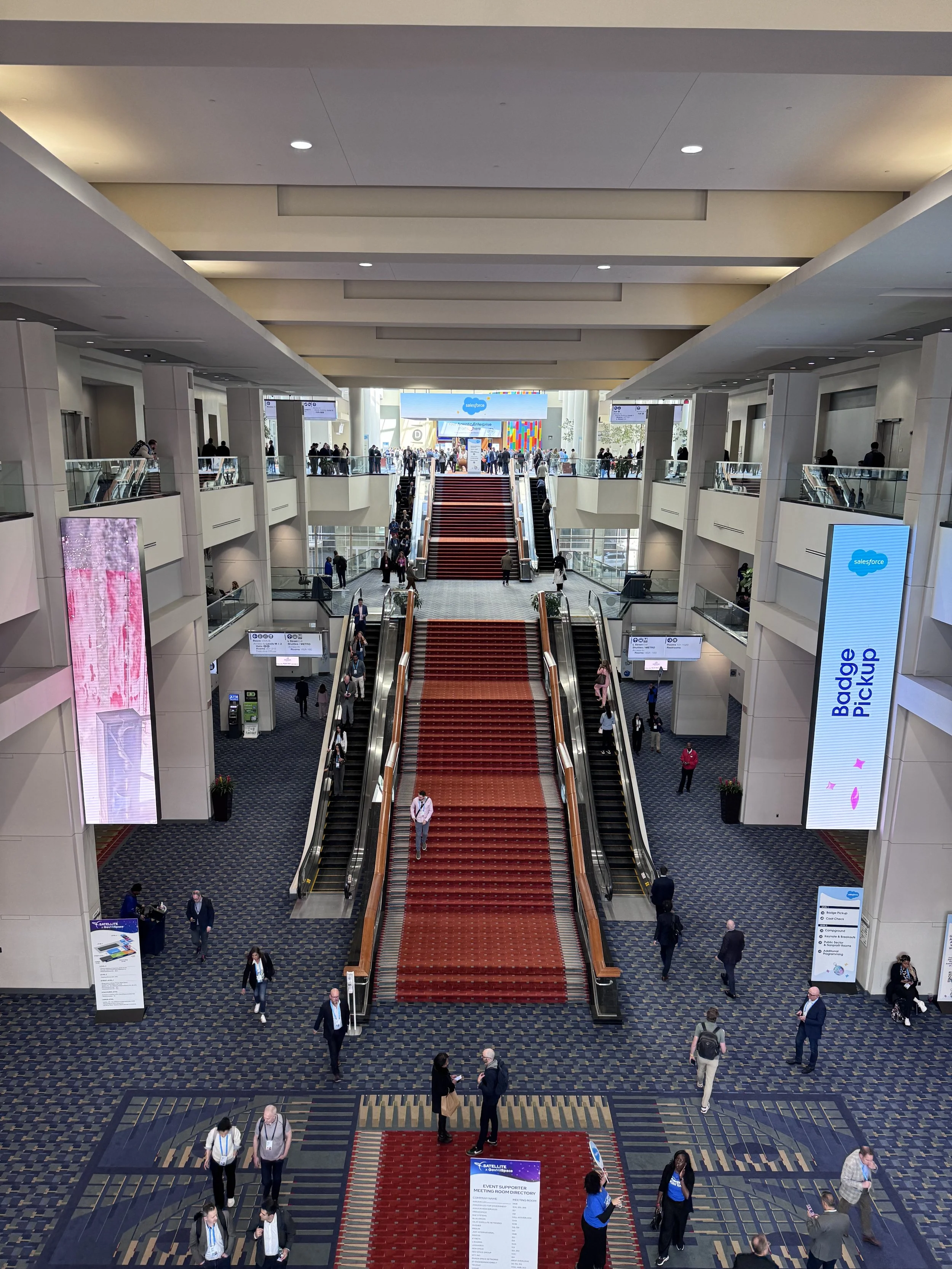
On March 26, 2026, the Agentforce World Tour DC wasn't just another conference, it was a gathering that captured the shift happening in technology, bringing the Salesforce community together to discuss the future of the agentic enterprise. Across keynotes, breakout sessions, and hands-on trainings, the conversation skipped beyond simple product announcements to focus on a question: How do organizations operationalize AI in a way that is both trusted and scalable?
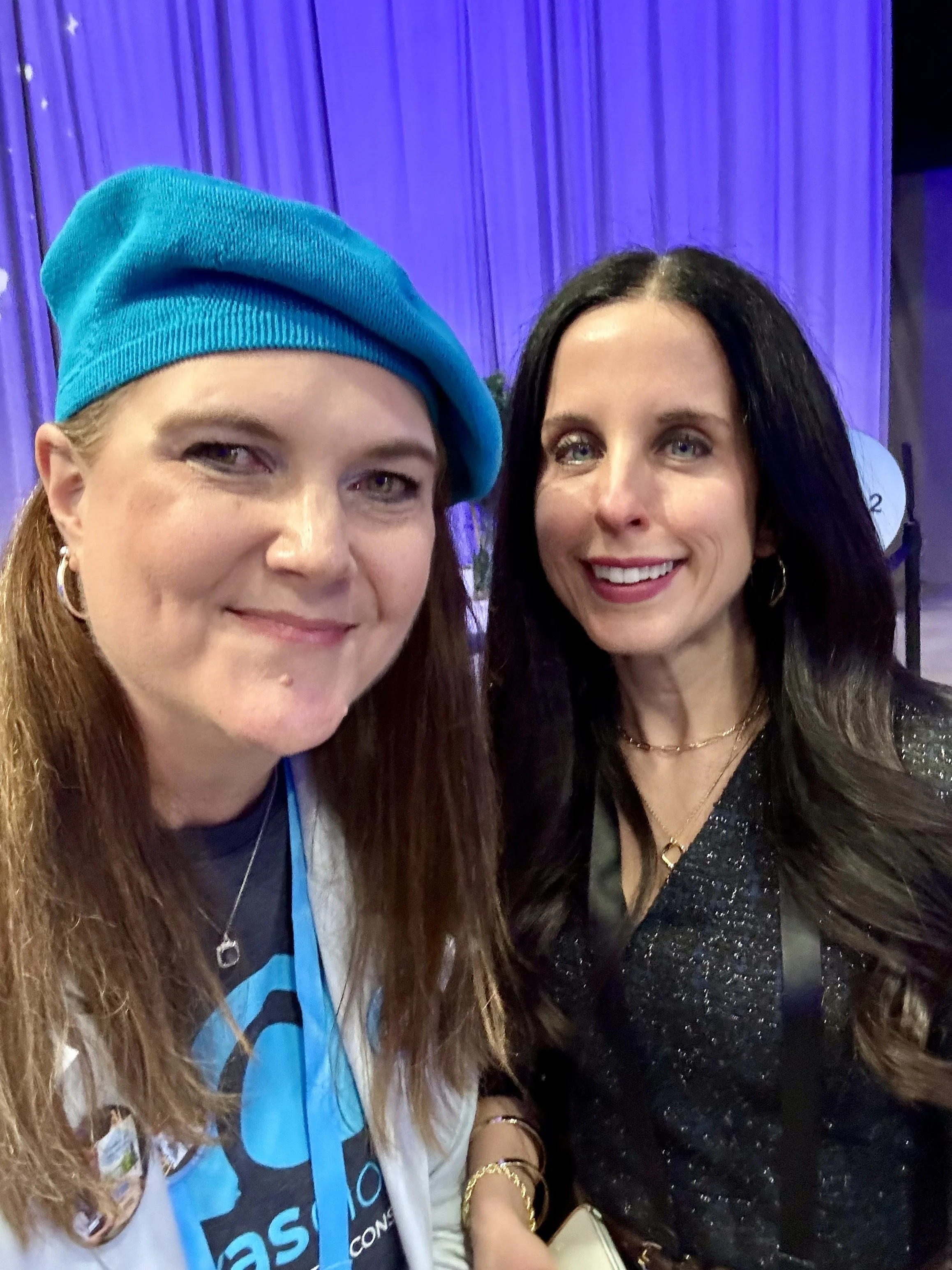
Alissa Arford, our Director of Marketing, and I were on the ground, with a focus on sessions tailored for nonprofits and growth businesses. We attended the Nonprofit Reception Dinner the evening before and the Nonprofit Breakfast the day of the conference. The Friday after, I attended a hands-on workshop for Salesforce’s new IT Service Management (ITSM) offerings.
What stood out most wasn’t just what was being presented on stage, it was the consistency between sessions and real-world conversations. Organizations are trying to plan a path forward with AI in a way that makes sense for their unique use case.
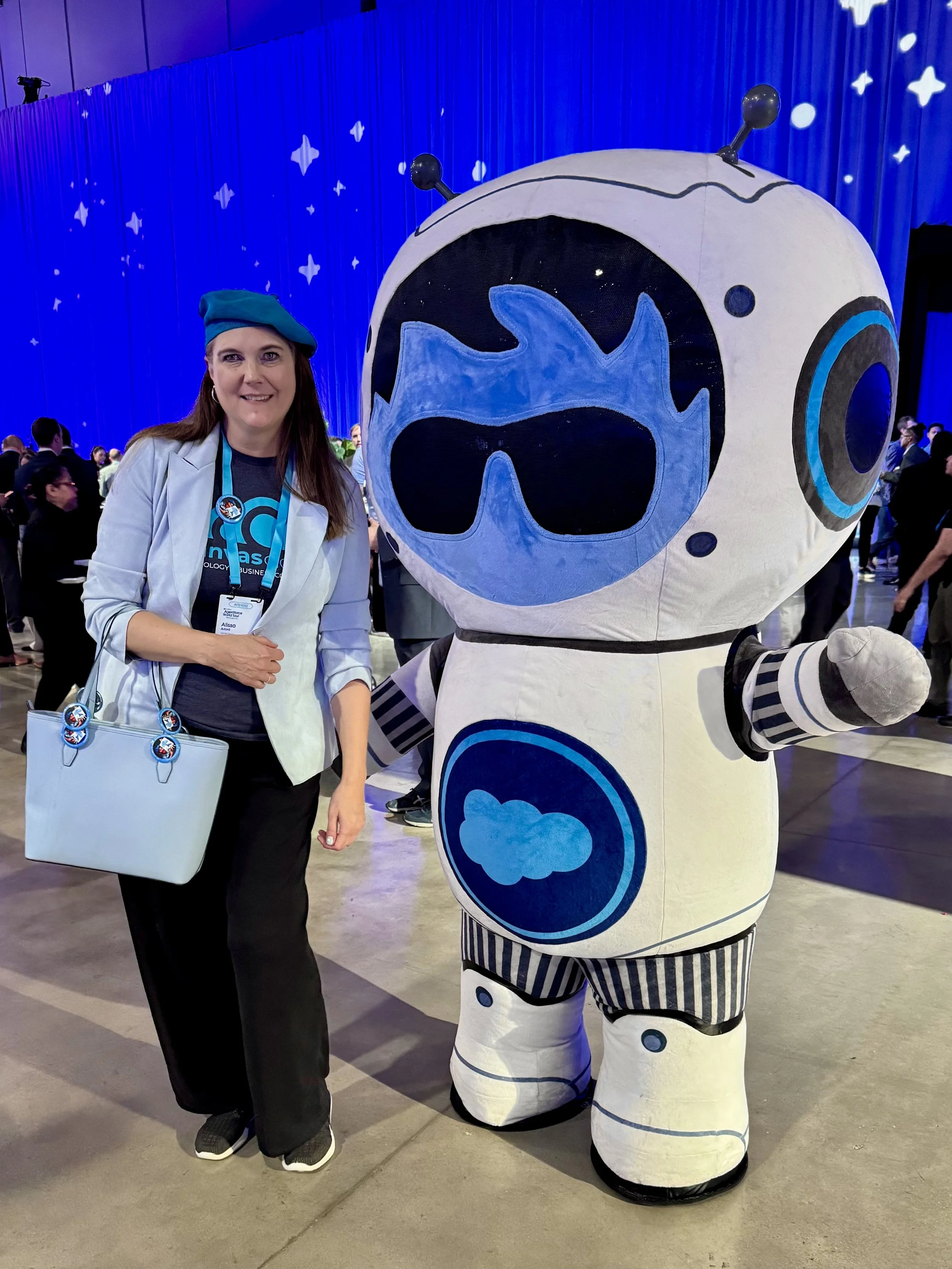
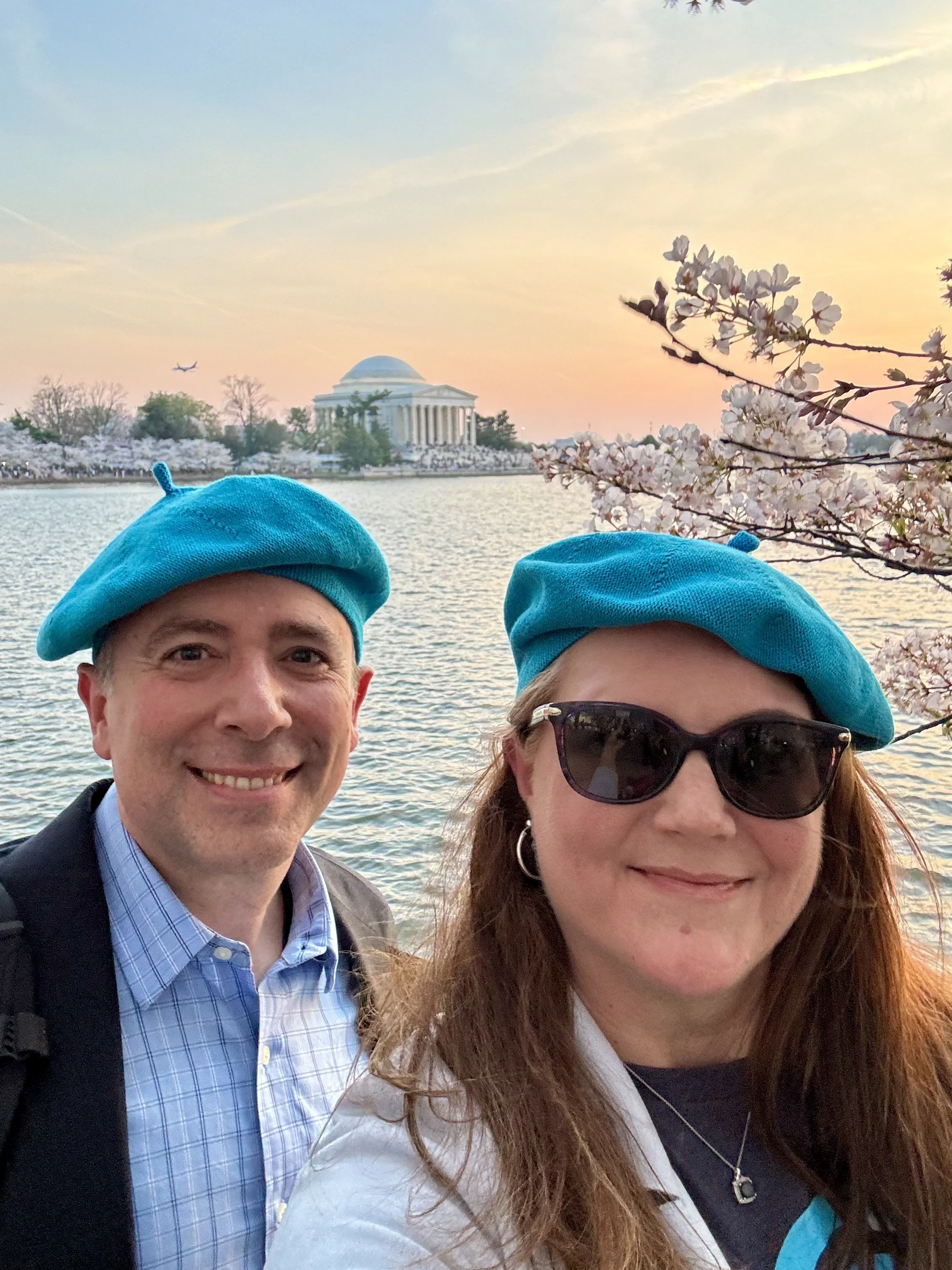
We had the chance to reconnect with longtime colleagues, meet new faces across the Salesforce ecosystem, and continue discussions well beyond the formal agenda. As always, our signature Canvas Cloud Blue Berets and collectible buttons made us easy to spot and became a bit of a conversation starter throughout the day.
The Big Theme: Trusted AI Is the Foundation
Across almost all sessions, from the main keynote to breakouts, one theme stood out: trust is now the gating factor for AI adoption. The conversation matured quickly as organizations are no longer experimenting in isolated environments; they’re preparing to embed AI into core operations, which raises the stakes significantly.
This focus on trust was given real-world validation just after the event with the announcement that Salesforce is one of Newsweek’s Most Trustworthy Companies in America 2026 (April 7, 2026). This recognition reflects the deep dedication to transparency and integrity that is central to the entire Agentforce ecosystem, reinforcing the idea that trust is earned through every decision and commitment.
What we heard repeatedly is that trust isn’t just a technical issue, it’s organizational. It impacts leadership buy-in, user adoption, and long-term sustainability. Accuracy, transparency, and governance are no longer “nice to have” considerations, they are requirements for moving forward with any AI initiative.
Ben’s Takeaways:
Teams want clear frameworks for validating AI outputs and reducing risk.
Data quality and governance are being recognized as prerequisites, not afterthoughts.
Compliance and security considerations are shaping implementation timelines.
Confidence in AI is directly tied to how well it integrates into existing workflows.
Nonprofits: The Path to Agentforce Isn’t One-Size-Fits-All
In nonprofit-focused sessions and throughout our conversations at the dinner and breakfast events, one of the most important realities surfaced: not every organization is ready to move to Agentforce Nonprofit. While there is real excitement about the platform’s potential, there is also a clear understanding that readiness varies widely across organizations.
For larger or more mature nonprofits, Agentforce represents an opportunity to modernize their architecture, unify their data, and unlock new levels of automation and insight. But for smaller organizations, or those still working through foundational challenges, the path forward may look different. Rather than forcing a migration, many are better served by taking a phased approach that builds toward Agentforce over time.
Ben’s Takeaways:
Some nonprofits are exploring full migration strategies to Agentforce Nonprofit.
Some nonprofits are prioritizing stabilization and optimization within NPSP.
Many teams are looking for ways to introduce AI incrementally before committing to a full transition.
Strategic roadmapping is becoming more important than immediate platform changes.
Slack + Salesforce: Where AI Meets Everyday Work
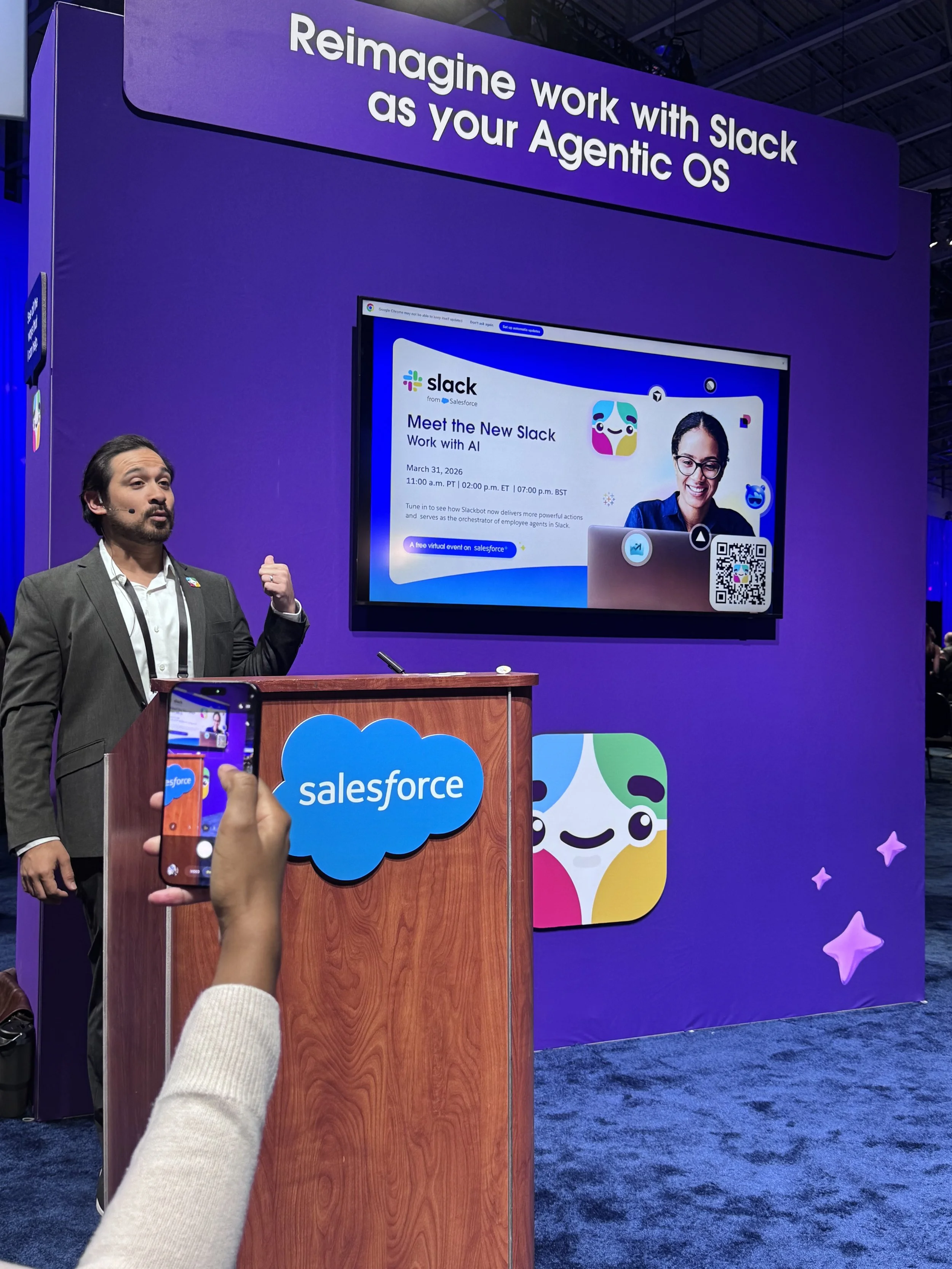
One of the most practical and immediately applicable themes was the role of Slack as a bridge between AI capabilities and day-to-day operations. While much of the conversation around AI can feel abstract, Slack brings those capabilities directly into the flow of work where teams are already operating.
What stood out is how consistently Slack and Slackbot are being positioned as a driver of internal efficiency. Rather than focusing solely on external-facing use cases, organizations are seeing real value in using AI to improve how their teams communicate, coordinate, and make decisions internally. This is especially important for nonprofits, where limited resources make operational efficiency critical to mission success.
Ben’s Takeaways:
Slackbot is being used to automate routine internal processes and reduce manual work.
Teams are surfacing Salesforce data directly within Slack to improve decision-making speed.
Cross-functional collaboration is becoming more structured and less reliant on email or meetings.
Internal productivity gains are freeing up staff time for higher-impact, mission-driven work.
From Automation to Agentic Work
A broader shift that came through clearly is the evolution from traditional automation to what Salesforce is calling “agentic” work. This represents a fundamental change in how technology supports organizations. Instead of simply automating tasks, systems are beginning to act more independently, coordinating actions and supporting decision-making in more dynamic ways.
This shift has significant implications for how organizations think about their technology stack. It requires a stronger data foundation, more intentional integration strategies, and a greater focus on governance. At the same time, it opens the door to meaningful efficiency gains and new ways of working that weren’t previously possible.
Ben’s Takeaways:
AI agents are moving beyond reactive tasks to more proactive, coordinated actions.
Integration layers are becoming critical for connecting systems and data.
Organizations are rethinking roles as AI takes on more operational responsibilities.
Success depends on aligning technology capabilities with clear business outcomes.
What Are Next Steps?
The takeaway from Agentforce World Tour DC isn’t that organizations need to immediately adopt every new capability, it’s that they need a clear, strategic approach to what comes next. The organizations that will see the most value are not necessarily the fastest adopters, but the most intentional ones. Building a strong foundation and taking a phased approach will ultimately lead to better outcomes than trying to move too quickly.
There is a real opportunity right now to step back and evaluate where your organization stands, what challenges you’re trying to solve, and how AI and Agentforce fit into that picture. The technology is evolving quickly, but the fundamentals, like data quality, process alignment, and user adoption, remain the same.
Ben’s Takeaways:
Start with a clear understanding of your current Salesforce environment and data readiness (Sign up for our free Salesforce tech assessment).
Identify internal inefficiencies that could benefit from automation or AI support.
Explore incremental ways to introduce AI before committing to larger platform changes.
Develop a roadmap that aligns technology decisions with organizational goals.
How Canvas Cloud Can Help
Organizations are navigating real-world constraints, such as limited budgets, small teams, and increasing expectations, and they’re looking for practical, realistic ways to move forward. The most successful organizations will be the ones that take a measured approach, balancing innovation with execution.
At Canvas Cloud, that’s where we focus our work. We’re not here to push a one-size-fits-all solution. We’re here to help organizations understand their options, make informed decisions, and move forward with confidence. Because in a landscape that’s evolving this quickly, clarity and trust matter more than ever.
Our team supports organizations across the full Salesforce lifecycle, with a focus on aligning technology to real operational needs, not just implementing features for the sake of it.
Implementation Services – For organizations just getting started or adding onto their existing system, we design and implement Salesforce the right way from day one, setting a strong foundation for growth.
Optimization & Migration – For existing Salesforce users, we help you evaluate readiness, optimize your current environment, and plan or execute a thoughtful migration.
Managed Services (Canvas Cloud Collab Managed Services™) – Ongoing, flexible support to help you continuously improve, adapt, and get more value from Salesforce over time.
If you’re not sure where to start, our free Salesforce tech assessment is designed specifically for current Salesforce users. We provide a clear, objective view of your org – what’s working, what’s not, and where there’s opportunity – along with a prioritized action plan to guide next steps.
And for nonprofits considering a move from NPSP to Agentforce Nonprofit, our 14-week FastTrack Program offers a structured, strategic path to get there with confidence, without the guesswork or disruption.
If you’re ready to explore what’s next, let’s talk.
About the Author
Benjamin Dolar is co-founder and CEO of Canvas Cloud. Connect with him on LinkedIn.
Video Highlights
Benjamin Dolar and Alissa Arford are live from Agentforce World Tour DC, March 26, 2026!